ABP Scaffolding
Understanding the potential issues with base jack handles is vital for construction safety. Many users wonder, "why is the base jack handle stripping under heavy concrete load?" This question highlights a common concern regarding the performance and durability of these tools. When subjected to significant weight, base jack handles may fail, leading to dangerous situations.
Several factors contribute to this problem. Inadequate materials or manufacturing defects can weaken handles. If the handle is not designed to withstand heavy loads, it may strip under pressure. Frequent use without proper maintenance can also lead to wear and tear. Operators often overlook the importance of checking equipment regularly, which can create vulnerabilities.
Reflecting on these issues can improve safety protocols. Understanding why handles fail encourages users to choose high-quality equipment. It is crucial to ensure the base jack is suited for the intended load. By doing so, risks associated with equipment failure can be minimized. Careful inspection and routine maintenance are essential steps for anyone using base jacks.
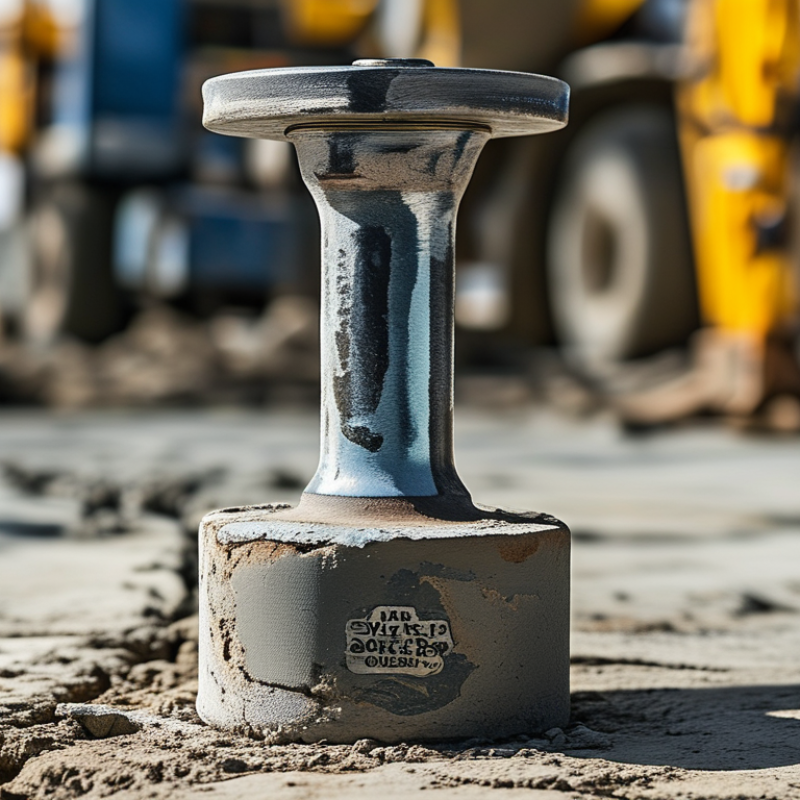
Base jack handles are designed to provide stable support. However, when subjected to heavy loads, stripping can occur. This typically happens due to several factors, which include improper material quality and excessive torque application. If maintenance is overlooked, wear and tear can lead to handle failure.
One common cause of handle stripping is the use of lower-grade materials. Many handles are made from less robust alloys or plastic. Under constant stress, these materials may not withstand the load, leading to a compromised grip. Ensure that your base jacks are sourced from reputable suppliers.
Tips: Regularly check the handle for wear. If you notice any signs of distress, consider replacing it before it fails. It’s essential to apply torque evenly. Over-tightening can create pressure points, which may also lead to stripping. When using your base jack, position it carefully to distribute weight evenly across the surface. This simple adjustment can extend its lifespan significantly.
When using a base jack, signs of handle stripping can often go unnoticed until it’s too late. Pay close attention to any unusual resistance when operating the handle. A handle that feels gritty or sticks might indicate wear and tear. You should also watch for any visible signs, like uneven wear on the handle or an abnormal angle during use.
Another clear sign of handle stripping is a grinding noise. If you hear this while lifting a heavy load, it’s a cause for concern. Additionally, if you find it increasingly difficult to engage the handle, it may be time to inspect for internal damage. Look for nicks or cracks along the handle, as these can compromise its integrity.
Regular maintenance is crucial for preventing these issues. Yet, not all users take the time to check for wear. It’s essential to remember that neglect can lead to more significant problems down the line. A handle that strips easily can result in safety hazards. Prioritize checks before each use, and don’t ignore small issues; they often lead to bigger failures.
This bar chart illustrates the risk levels associated with different factors that could lead to the stripping of a base jack handle under heavy load conditions.
When dealing with heavy loads, a base jack handle can strip under pressure, leading to damage. Preventive measures can save you from unexpected failures. Regular inspections are critical. Check for visible signs of wear, such as cracks or unusual bending. Handle materials can weaken over time, especially if exposed to harsh conditions.
Tips: Consider using a protective cover for the handle. This can shield it from environmental factors. Proper lubrication can help reduce friction during operation. A well-lubricated handle is less likely to strip under stress.
Always use the handle according to the manufacturer's guidelines. Exceeding load limits can cause irreversible damage. If you notice the handle feeling loose, stop using it immediately. Ignoring signs of wear may lead to greater problems in the future. Taking preventive actions now will help ensure the longevity of your equipment.
| Cause of Stripping | Preventive Measures | Recommended Load Limit (lbs) | Handle Material Type | Maintenance Frequency |
|---|---|---|---|---|
| Overloading beyond capacity | Use load indicators to avoid overloading | 400 lbs | Steel Alloy | Every 6 months |
| Wear and tear from frequent use | Regularly inspect and replace handles as needed | 300 lbs | Aluminum | Quarterly |
| Corrosion or rust buildup | Keep handles clean and apply protective coatings | 350 lbs | Stainless Steel | Monthly |
| Improper installation | Follow installation guidelines carefully | 450 lbs | Composite Materials | Before first use |
| User error or mishandling | Provide user training and guidelines | 500 lbs | Fiberglass Reinforced Plastic | Annually |
Stripped base jack handles can cause serious issues during heavy loads. Often, this happens due to excessive force or poor handling. A common response is to replace the handle entirely, but there are several repair options that can extend its life and improve functionality.
One approach is to reinforce the handle. This can involve adding a sturdy wrap of duct tape or a similar material around the grip area. This quick fix can help redistribute force and minimize further stripping. Another option is to apply a thread sealant on the jacked threads. This more technical solution can secure connections and reduce wear from consistent use.
For those feeling more ambitious, consider refitting the handle with a new thread or using a larger screw. This requires some skill with tools. It’s rewarding but could lead to mistakes if not done carefully. Watch for any misalignment during installation; incorrect positioning can lead to further damage. Reflecting on these repair options is worthwhile. Each solution has its pros and cons, requiring careful consideration based on your specific situation.
Choosing the right base jack is crucial for handling heavy loads. An inappropriate base jack can strip under pressure. The load capacity must align with the intended use. Many users overestimate their equipment's capabilities. This often leads to equipment failure.
When selecting a base jack, consider the material and design. A solid steel jack provides better support compared to lightweight alternatives. Pay attention to the load rating. Exceeding this rating can cause immediate issues. It’s essential to match the base jack to the load requirements precisely.
Users should also reflect on their experience. Have there been previous issues? Did the base jack perform well under heavy loads? These factors influence future choices. It’s wise to research and consult with experts. Finding the right balance between strength and weight can prevent breakdowns and enhance safety.
: Signs include gritty resistance, sticking, uneven wear, grinding noises, and visible cracks or nicks on the handle.
Regular inspections are crucial. Check for cracks, wear, and use protective covers and proper lubrication to reduce friction.
Stop using the handle if it feels loose or shows visible signs of wear. Ignoring these issues may lead to bigger problems.
Exceeding load limits can cause irreversible damage to the handle and pose safety hazards during operation.
Reinforce the handle with duct tape or apply thread sealant to secure the jacked threads and minimize wear.
Yes, reinforcing or refitting the handle can extend its life. However, these methods require careful execution to avoid mistakes.
Regular maintenance helps identify small issues before they become significant problems, ensuring safety and longevity of your equipment.
Consider the pros and cons of each repair option. Misalignment can lead to further damage, so be cautious during repairs.
When discussing "why is the base jack handle stripping under heavy concrete load," it is essential to consider several factors. The primary causes may include excessive weight, improper usage, or inadequate tool quality. Signs of handle stripping can manifest as difficulty in operation, unusual noises, or visible wear on the handle itself. To prevent such damage, users should follow recommended load limits, perform regular maintenance, and inspect their equipment frequently.
For those dealing with stripped base jack handles, repair options are available, ranging from simple replacements to more complex fixes depending on the extent of the damage. Additionally, when selecting a base jack for particular load requirements, it is crucial to choose a model that is specifically designed for the expected weight to ensure safety and functionality. By understanding these aspects, users can minimize the risk of handle stripping and maintain efficient operation under heavy loads.
