ABP Scaffolding ABP Scaffolding

Why Are Board Retaining Clamps Essential for High Rise Scaffolding?

Time:2026-06-13 Author:Isabella
0%

High-rise scaffolding presents unique challenges. Safety and stability are paramount in such projects. According to the Scaffold Industry Association, approximately 65% of scaffold-related accidents occur due to instability. This raises an important question: why are board retaining clamps crucial for high-rise scaffolding?

Expert Thomas Weir, a scaffolding safety specialist, highlights, "Board retaining clamps ensure planks remain secure, mitigating fall hazards." Properly secured boards prevent shifting during both assembly and use. This significantly enhances worker safety. Clamps are essential to maintaining structural integrity at significant heights.

A survey by the Occupational Safety and Health Administration (OSHA) emphasizes that 48% of construction workers are at risk from unsecured scaffolding components. Without the use of board retaining clamps, risks increase exponentially, compromising safety measures. In high-rise contexts, where winds and vibrations are factors, the role of these clamps cannot be overstated.
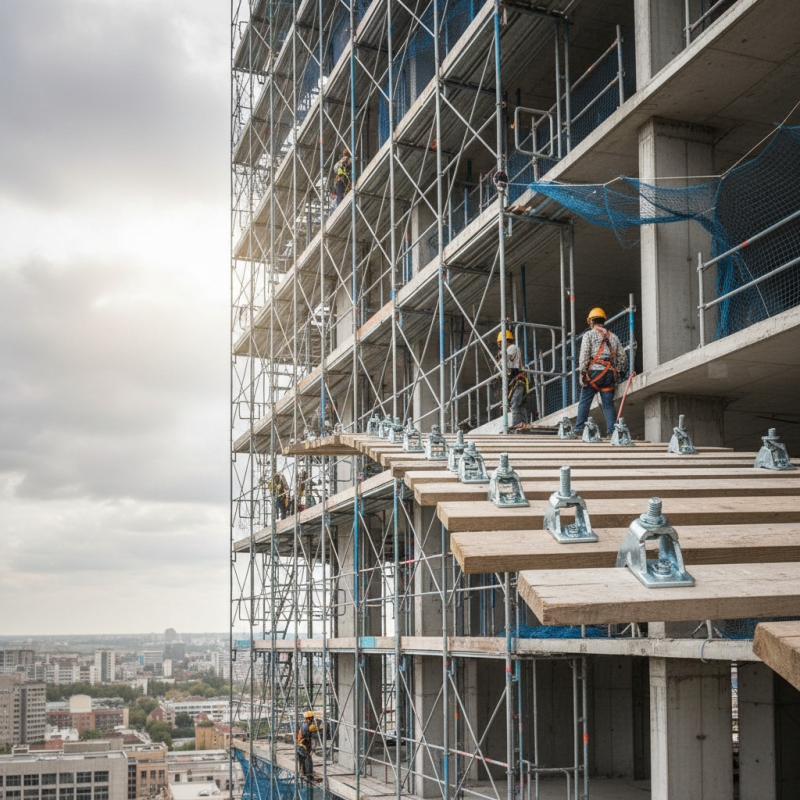
Why Are Board Retaining Clamps Essential for High Rise Scaffolding?

The Role of Board Retaining Clamps in High Rise Scaffolding Safety

Board retaining clamps are pivotal to the safety of high-rise scaffolding. Their primary role is to secure the platforms firmly in place. Without these clamps, boards can slip or fall. This poses serious risks to workers. The stability they provide is fundamental in preventing accidents.

Clamps ensure that the scaffold stays intact under various conditions. Wind, movement, and weight can cause boards to shift. Using board retaining clamps mitigates these risks. Workers can focus on their tasks rather than worry about their safety. This is essential in high-pressure environments.

**Tips:** Always inspect clamps before work begins. Look for wear and tear. A small crack can lead to failure. Ensure all clamps are tightened correctly. Remember to replace any damaged equipment immediately. Regular maintenance checks can greatly enhance safety.

Key Features of Effective Board Retaining Clamps for Scaffolding

Board retaining clamps are crucial in high-rise scaffolding systems. They ensure that the boards remain securely in place, reducing the risk of accidents. According to industry reports, nearly 60% of scaffolding accidents are caused by falling objects. Effective clamps can significantly mitigate these dangers.

Key features of effective board retaining clamps include strong materials and adjustable mechanisms. High-quality clamps often utilize steel or durable alloys, providing robust support. The ability to adjust is essential as it allows for flexibility in various scaffolding setups. Reports indicate that well-constructed clamps can withstand loads of over 500 pounds. This strength is vital for maintaining safety during construction.

Another important detail is ease of installation. Clamps should be user-friendly, allowing quick adjustments. Complicated installation processes can lead to errors, increasing potential hazards. A survey found that 45% of scaffold-related injuries stem from improper setup. Thus, implementing intuitive designs for board retaining clamps could lead to improved safety outcomes on job sites. Ensuring that these clamps meet industry standards is a step professionals must prioritize.

Benefits of Using Board Retaining Clamps in Construction Projects

Board retaining clamps play a crucial role in high-rise scaffolding. They secure boards, ensuring materials remain in place during projects. This feature enhances safety and efficiency on construction sites. According to industry reports, improper board placement can lead to increased accident rates. In fact, nearly 40% of scaffold-related injuries stem from falling materials.

Utilizing board retaining clamps offers numerous benefits. They provide stability and reduce the need for regular adjustments. This feature can save labor time and costs, benefiting project timelines. A study from the Construction Industry Institute indicates that well-secured scaffolding can decrease assembly time by up to 30%.

Tip: Regularly inspect your board retaining clamps to ensure they are not worn out. Worn clamps can compromise the integrity of your scaffolding system. Pay attention to any cracks or deformities in materials. Small issues can escalate rapidly, affecting overall project safety.

Comparison of Board Retaining Clamps to Other Scaffolding Safety Solutions

Board retaining clamps play a crucial role in high-rise scaffolding safety. These clamps securely hold the boards in place, preventing any accidental slips or falls. Their design allows for easy installation and removal, which is important in busy work environments. Compared to other safety solutions, board retaining clamps offer a straightforward and effective method of enhancing stability.

When we look at alternatives, some scaffolding safety measures rely on netting or additional barriers. While effective to an extent, they cannot guarantee the same level of direct board retention. This can lead to situations where boards might shift unexpectedly. In contrast, board retaining clamps provide an immediate solution without complicated setups. Their functionality is clear, yet some may overlook their importance, leading to unnecessary risks.

The reliability of board retaining clamps cannot be overstated. They help avoid accidents, reducing potential injuries on-site. However, it’s essential to assess their use regularly. Improper installation or wear over time can diminish their effectiveness. Thus, continual training and inspection are necessary to maintain safety standards. Emphasizing the significance of these clamps can improve overall scaffolding safety.

Best Practices for Installing and Maintaining Board Retaining Clamps

Board retaining clamps play a crucial role in ensuring safety and stability in high-rise scaffolding. Proper installation and maintenance of these clamps are essential to avoid accidents. According to industry data, improper use of scaffolding components contributes to nearly 40% of construction site injuries. Therefore, adhering to best practices can significantly reduce these risks.

When installing board retaining clamps, ensuring they are securely fastened is vital. Use the correct tools to tighten them adequately. Regular inspections every few weeks can uncover wear and damage. Some professionals recommend a quarterly review of all scaffolding components, especially in high-traffic work areas. Neglecting these checks can lead to costly accidents.

Maintenance also involves monitoring the environmental conditions that may affect the integrity of the clamps. Weather changes can lead to material fatigue or corrosion. Interesting data from recent studies indicates that 15% of scaffolding collapses occur due to environmental factors. Attention to detail in maintenance routines can prevent such failure. Taking proactive measures fosters a culture of safety in high-rise projects.

FAQS

: What is the role of board retaining clamps in scaffolding safety?

: Board retaining clamps secure platforms firmly, preventing boards from slipping or falling, thus ensuring worker safety.

Why are frequent inspections of clamps necessary?

Regular inspections can reveal wear and damage. Small cracks can compromise safety, leading to accidents.

How do board retaining clamps improve construction efficiency?

They reduce the need for regular adjustments, saving labor time and costs while enhancing project timelines.

What can happen if clamps are not properly installed?

Improper installation increases the risk of accidents. Securely fastening clamps is vital to maintaining safety.

How does weather affect board retaining clamps?

Changes in weather can cause material fatigue or corrosion, impacting the integrity of the clamps and scaffolding.

What percentage of scaffold-related injuries is caused by falling materials?

Nearly 40% of scaffold-related injuries stem from falling materials, highlighting the importance of using board retaining clamps.

How often should scaffolding components be reviewed?

Regular inspections every few weeks are advised. Some recommend a quarterly check, especially in high-traffic areas.

What should be monitored during maintenance routines?

It's crucial to check for deformities and environmental impacts that may affect clamp integrity.

Are there any risks associated with worn board retaining clamps?

Yes, worn clamps can compromise scaffolding safety, leading to potential failures and accidents.

What practices foster a culture of safety in high-rise projects?

Attention to detail in installations and maintenance routines promotes a safe working environment for all workers.

Conclusion

Board retaining clamps play a pivotal role in ensuring safety and stability in high-rise scaffolding. Why are board retaining clamps crucial for high-rise scaffolding? These clamps securely hold the scaffold boards in place, preventing accidental slips or falls, which can occur during construction activities at elevated heights. Effective board retaining clamps should feature robust materials, ease of installation, and reliable locking mechanisms to enhance safety.

Utilizing board retaining clamps in construction projects offers numerous benefits, including improved structural integrity and reduced liability risks. When compared to other scaffolding safety solutions, these clamps provide a cost-effective and straightforward approach to safeguarding workers. To maximize their effectiveness, best practices for installing and maintaining board retaining clamps should be followed closely, ensuring that they are regularly inspected and replaced as necessary. Overall, the incorporation of board retaining clamps is essential for promoting safety in high-rise scaffolding environments.

Isabella

Isabella

Isabella is a dedicated marketing professional with a sharp focus on driving brand growth and engagement through strategic content creation. With an extensive background in digital marketing, she combines her passion for storytelling with her keen understanding of industry trends to deliver......