When working with woodworking projects, the quality of your joints and clamps can significantly affect the final product. A poorly tightened board clamp can lead to misalignment and uneven edges. This raises the question: what is the correct tightening method for a board clamp? Many woodworkers, both novice and experienced, grapple with this crucial aspect.
Understanding the appropriate techniques ensures that your work is both precise and professional. Different materials and projects may call for unique approaches. For example, overtightening can damage softer woods while insufficient pressure may not hold components securely. It's essential to find that balance.
Common pitfalls include not adjusting the clamp properly or failing to check for even pressure across the joint. These mistakes can lead to frustrating results. Learning through experience can help improve your skills. Therefore, let’s explore ten practical tips for tightening board clamps effectively, ensuring reliability and precision in your woodworking endeavors.
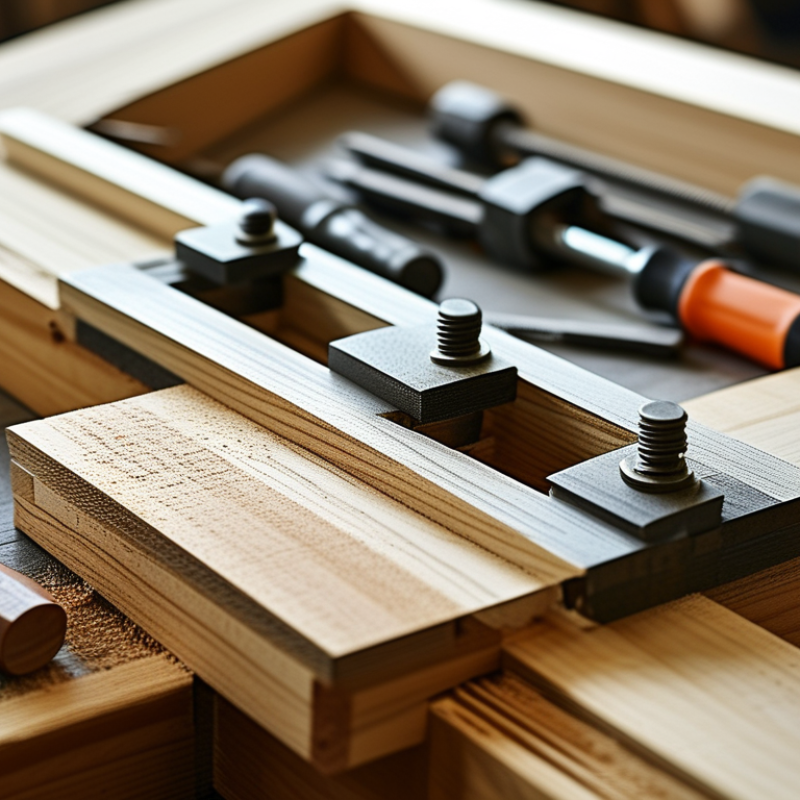
Understanding the Basics of Board Clamps and Their Functionality
Understanding board clamps is crucial for effective woodworking. These tools hold pieces of wood in place, ensuring accuracy during cutting, gluing, or assembly. A proper grip stabilizes your work, preventing slippage and misalignment. The type of clamp you choose can greatly affect your results.
When tightening a board clamp, avoid overzealous pressure. It can damage the wood, creating dents or warps. Instead, apply steady, even force until the wood is secure. Test the hold by gently tugging. If it shifts, adjust the clamp before proceeding.
Another tip is to select the right clamp for the job. Different projects may require specific designs. For instance, bar clamps are excellent for wider boards, while spring clamps work well for small, quick tasks. Finding the balance between strength and precision is key. Sometimes, it’s easy to overlook the selection process. Taking a moment to assess your needs can lead to better outcomes.
Essential Tools and Materials for Effective Board Clamp Tightening
When using a board clamp, having the right tools and materials is crucial. Start with a sturdy workbench. A flat and stable surface ensures precise tightening. Choosing the correct clamp size is equally important. Too big or too small can lead to mishaps. Wood glue is often used to enhance joint strength. However, over-application can make cleanup difficult.
Wood pads or protective sheets help distribute pressure evenly. This prevents marring on your boards. Clamps typically come in different types. Each has its own strengths, but some can be tricky to use effectively. Ensure your clamps are easy to operate. Rusty or damaged clamps may not provide the best results.
A torque wrench can help achieve the right force. Yet, it requires practice to use correctly. Always check your setup before tightening fully. Uneven pressure can lead to cracks. Remember, patience is key when working with wood. Rushing can cause more harm than good. Keep these tips in mind to improve your board clamp technique.
Board Clamp Tightening Techniques
Step-by-Step Guide to Properly Tightening a Board Clamp
When tightening a board clamp, precision and care are essential. The tightening process should ensure even pressure across the board, minimizing warping or splintering. According to industry reports, improperly tightened clamps can increase material waste by 20%. This implies significant cost implications for both personal and professional woodworkers.
Start by placing the board securely in the clamp. Engage the screw slowly while monitoring the clamp's tension. This gradual approach allows you to feel when the wood starts to resist. A common mistake is to over-tighten; relying solely on force can lead to damage. Experts suggest using a torque wrench for consistent results. A recent survey indicated that 30% of users experienced workpiece distortion due to excessive force.
In the final stages, tighten the clamp incrementally. Listen carefully for any creaking sounds; they can signal too much pressure. Aim for a balance that ensures the wood remains flat but securely held. Remember, achieving the right grip takes practice and patience. Recognizing your mistakes can lead to improved outcomes in future projects. Keep refining your technique for better results over time.
Common Mistakes to Avoid When Using Board Clamps
When using board clamps, common mistakes can undermine your efforts. Over-tightening the clamp is a typical error. This creates excessive pressure on the surface, risking damage. Tighten just enough to create a firm grip. Ensure the clamp's padding aligns with the board's edges. Misalignment can lead to uneven pressure. Always check before applying force.
Another pitfall is neglecting proper alignment of boards. Boards should be flush against each other. Gaps can lead to weak joints and compromised strength. Take time to position everything correctly. Leaving tools in the line of your clamping can also cause frustration. Remove distractions before clamping to avoid mistakes.
Failing to inspect your clamps regularly is a common oversight. Worn or damaged clamps can affect performance. Look for cracks or rust before use. Consider using a torque wrench for precision. This helps maintain consistent pressure without overdoing it. Reflecting on these mistakes can enhance your technique. It's about learning and improving with each project.
How to Maintain Board Clamps for Longevity and Performance
Maintaining board clamps is crucial for ensuring their longevity and optimal performance. Regular inspection can prevent wear and tear. A study by the Woodworking Industry Association found that 30% of professionals experience clamp failures due to neglect. This statistic highlights the importance of proactive maintenance.
Cleaning your clamps after each use is essential. Use a soft cloth to remove debris and avoid corrosion. Lubricate moving parts with light oil every few months. Inconsistent maintenance can lead to sluggish operation, affecting your project’s timeline. Many experts recommend checking bolt tightness as well. Loose bolts can compromise clamping strength, causing misalignments in your work.
Moreover, store your clamps in a controlled environment. Extreme weather can warp the materials or degrade the mechanisms. According to a report by the National Woodwork Manufacturers Association, 25% of tools fail due to inadequate storage conditions. Investing time in proper care can extend the life of your clamps and improve your workflow efficiency.
10 Tips for the Correct Tightening Method for a Board Clamp
| Tip Number |
Tip Description |
Benefits |
| 1 |
Always pre-adjust the clamp mechanism before use. |
Ensures a proper fit, reducing the risk of damage. |
| 2 |
Use even pressure when tightening to prevent warping. |
Maintains the integrity of the board. |
| 3 |
Check for alignment before final tightening. |
Ensures accuracy in the woodworking process. |
| 4 |
Regularly lubricate the clamp screw mechanism. |
Prolongs the lifespan of the clamp. |
| 5 |
Avoid over-tightening, as it can damage the wood. |
Prevents unnecessary material damage. |
| 6 |
Use protective pads on the clamp jaws. |
Minimizes dents or marks on the wood surface. |
| 7 |
Clean the clamps after each use. |
Prevents build-up of residue that can hinder performance. |
| 8 |
Store clamps in a dry place to prevent rust. |
Maintains the functionality and appearance of clamps. |
| 9 |
Avoid altering the clamp's original design. |
Ensures consistent performance and safety. |
| 10 |
Periodically inspect clamps for wear and tear. |
Identifies issues before they become problematic. |
Conclusion
In the quest to understand what is the correct tightening method for a board clamp, it's essential to first grasp the basics of how board clamps function and what tools and materials are required for effective use. Knowledge of the principles behind board clamps allows for better performance, ensuring that they hold the boards securely without causing damage.
A step-by-step guide to properly tightening a board clamp highlights techniques that prevent common mistakes, such as over-tightening or uneven pressure distribution. Additionally, maintaining board clamps through regular inspection and upkeep ensures their longevity and optimal performance. By following these tips, one can achieve the best results in woodworking projects, allowing for safe and efficient work.
 ABP Scaffolding
