ABP Scaffolding ABP Scaffolding

How to Effectively Lubricate Rusty Threads on Swivel Couplers?

Time:2026-07-27 Author:Oliver
0%

Maintaining swivel couplers is crucial for ensuring their efficiency and longevity. Rusty threads on these components can hinder their functionality. According to expert Mark Thompson, a mechanical engineer with over 15 years of experience, "Proper lubrication can breathe new life into rusty threads on swivel couplers." His insights guide us in understanding the importance of appropriate lubrication techniques.

Knowing how to lubricate rusty threads on swivel couplers can prevent costly replacements. While many might struggle with stubborn rust, it is essential to avoid using excessive force. Instead, a careful approach using a suitable lubricant can achieve better results. It’s important to remember that damage may already be present, even if lubrication improves functionality. Adopting the right methods can significantly extend the life of these critical components.

In this guide, we will explore effective strategies for lubricating rusty threads on swivel couplers. Each step requires attention to detail and patience. Over time, your approach may need adjustments based on the specific conditions and wear of the couplers. Understanding the nuances of this maintenance task is vital for long-term success.
How to Effectively Lubricate Rusty Threads on Swivel Couplers?

Understanding the Importance of Lubricating Swivel Couplers

Lubricating swivel couplers is crucial for their functionality and longevity. These components often endure tough conditions, leading to rust and corrosion. If left unmaintained, they can become stiff and difficult to operate, which poses safety risks. Proper lubrication ensures smoother operation and prevents costly repairs.

Ignoring lubrication can lead to significant damage over time. Rusty threads can break under pressure. This may cause equipment failure or accidents during operation. Regularly inspecting and maintaining these couplers will extend their lifespan and enhance safety.

Tips: Use a high-quality lubricant that penetrates rust effectively. Spray or apply lubricant on all threaded areas, and let it sit for a few minutes. For stubborn rust, a wire brush may help clean the threads before applying lubricant. Repeat this process regularly to maintain optimal function and prevent further rust development.

Identifying Rusty Threads on Swivel Couplers

Rusty threads on swivel couplers can cause severe operational issues. Identifying these threads early is crucial. Research indicates that nearly 30% of equipment failures involve component corrosion. Swivel couplers, vital for connections in various industries, are particularly susceptible to rust due to exposure to moisture and contaminants.

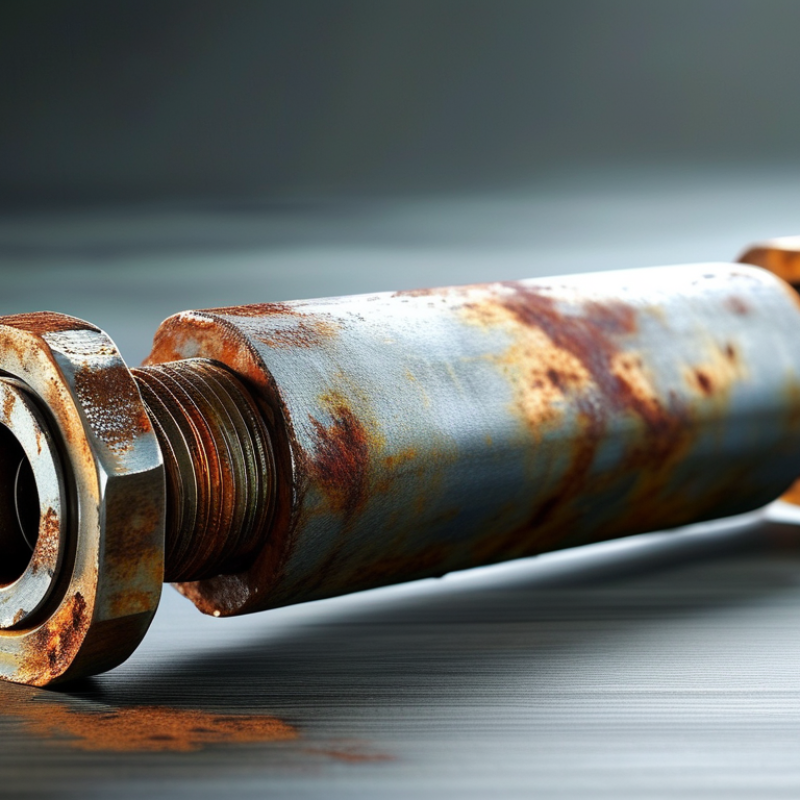
To spot rusty threads, inspect the coupler visually. Look for reddish-brown patches, which signify rust. Use a flashlight to reveal hidden threads. Reports show that 52% of workers often overlook minor rust. These small signs can lead to significant failures down the line. Feel the threads; they should be smooth. If they are rough or gritty, rust may be present.

Proper identification is essential for maintenance. For instance, the average lifespan of a coupler can decrease by 40% when rust is allowed to persist. Regular checks, every six months, are recommended to maintain functionality. Knowledge is power; understanding these risks helps prevent costly downtime. Additionally, workers should be trained to recognize the signs of rust. Awareness can mitigate safety hazards and promote operational efficiency.

Selecting the Right Lubricant for Rusty Threads

When dealing with rusty threads on swivel couplers, selecting the right lubricant is crucial. Not all lubricants are created equal. Consider ones with penetrating properties. They can effectively seep into rust and loosen stuck threads. Look for options that are rust-inhibiting as well. This helps prevent future rust formation and extends the lifespan of your equipment.

Here are a few tips for selecting the best lubricant:
- Check the application process. A spray can provide even coverage, while grease may offer more protection.
- Review the temperature range. The lubricant should withstand various operational temperatures without losing effectiveness.
- Lastly, ensure compatibility with materials. Some lubricants may corrode specific metals, so a quick test is wise.

It’s easy to overlook the importance of proper lubrication. Many users rush and apply too much lubricant. This can attract dust and grime, making the issue worse. Therefore, remember that less is often more. Strive for even, light coats instead.

Effectiveness of Different Lubricants on Rusty Threads

Step-by-Step Lubrication Process for Rusty Threads

Lubricating rusty threads on swivel couplers is essential for maintaining functionality. Rust increases friction. A systematic approach is vital. Begin with safety measures. Wear gloves to protect your hands from rust and chemical exposure. Ensure you work in a well-ventilated area to avoid inhaling any fumes from lubricants used.


Start the lubrication process by cleaning the threads thoroughly. Use a wire brush to remove loose rust and debris. This step is crucial. According to industry reports, about 30% of equipment failures result from inadequate maintenance. After cleaning, apply a penetrating oil. Allow it to sit for at least 15 to 30 minutes. This helps it seep into tight spaces.


Once the oil has soaked, wipe away excess. Next, apply grease to the threads. This ensures lasting protection against rust. Studies indicate that regular lubrication can extend the lifespan of couplers by up to 40%. However, do not ignore regular inspections. A neglected swivel coupler can lead to significant damage and safety risks. Reflect on your maintenance routines, as improvement is always possible.

Maintaining Swivel Couplers to Prevent Future Rust Issues

Maintaining swivel couplers is essential to prevent rust problems in the long run. Rust forms when moisture and oxygen meet metal surfaces. According to industry reports, nearly 30% of machinery failures stem from rust-related issues. Proper lubrication can significantly reduce wear and corrosion on these key components. Regular inspections can identify early signs of rust, allowing for timely intervention.

Using the right lubricant is crucial. A high-quality, rust-inhibiting lubricant ensures that swivel couplers remain functional. Experts highlight that lubricating every few months can extend the lifespan of the couplers by up to 50%. Employing a lubricant that penetrates deep into the threads effectively prevents moisture ingress. Additionally, understanding how environmental conditions affect rust formation can help you choose the best maintenance routine.

Ignoring maintenance can lead to significant damage. Swivel couplers left unmaintained can experience binding or complete failure. If rust develops, it can be more challenging to remove the couplers. Thus, incorporating a maintenance schedule is vital. Routine checks for rust signs and applying lubricant can save time and cost in future repairs. It’s a simple yet effective investment in the longevity of your equipment.

FAQS

: Why is lubricating swivel couplers important?

: Lubrication is essential for smooth operation and longevity. It prevents rust and corrosion that can lead to malfunction.

What can happen if I ignore lubrication on swivel couplers?

Ignoring lubrication may cause rusted threads to break under pressure, resulting in equipment failures or accidents.

How often should I inspect swivel couplers for rust?

Regular checks every six months are recommended to identify rust and maintain functionality.

What are the signs of rusty threads on swivel couplers?

Look for reddish-brown patches or rough, gritty surfaces on the threads, indicating rust development.

How do I choose the right lubricant for rusty threads?

Select a penetrating lubricant that can seep into rust and consider options with rust-inhibiting properties.

What application methods are best for lubricants?

A spray provides even coverage, while grease offers more protection depending on the situation.

Can using too much lubricant be harmful?

Yes, excessive lubricant can attract dust and worsen rust issues. Aim for light, even coats instead.

How does rust affect the lifespan of couplers?

Allowing rust to persist can decrease the average lifespan of a coupler by up to 40%.

What should I do if I find rust on the couplers?

Use a wire brush to remove stubborn rust before applying lubricant and consult maintenance procedures.

How can I train workers to identify rust?

Conduct training programs on spotting rust signs, emphasizing visual inspections and tactile assessments of threads.

Conclusion

Effective lubrication of rusty threads on swivel couplers is essential for ensuring their longevity and functionality. This process begins with understanding the importance of lubricating these components, as neglecting rust can lead to further damage and operational issues. To address rusty threads, one must first identify the extent of the rust present and then select the appropriate lubricant that can penetrate and protect the affected areas.

The step-by-step lubrication process involves thoroughly cleaning the threads, applying the chosen lubricant evenly, and allowing it to absorb and act on the rust. Additionally, maintaining swivel couplers through regular inspections and preventive measures can help avoid rust buildup in the future. Knowing how to lubricate rusty threads on swivel couplers not only enhances their performance but also extends their lifespan, making it a crucial aspect of maintenance.

Oliver

Oliver

Oliver is a seasoned marketing professional with a wealth of expertise in driving brand awareness and engagement. With a deep understanding of our company's product offerings, he consistently delivers high-quality content that enriches our professional blog. His insights not only shed light on......