ABP Scaffolding ABP Scaffolding

How to Fix a Cross Threaded Jack Nut on a Leveling Jack?

Time:2026-09-05 Author:Aria
0%

When dealing with leveling jacks, a common issue can arise: a cross-threaded jack nut. This problem can lead to inadequate support and potential damage. Hence, knowing how to fix a cross-threaded jack nut on a leveling jack is crucial for maintaining stability and safety. It's not just about tightening nuts; it's about ensuring your equipment works effectively.

Understanding the mechanics of a leveling jack helps in addressing this issue. Cross-threading can happen due to misalignment, excessive force, or simply lack of attention during installation. A damaged nut can be frustrating, but with the right tools and techniques, it’s possible to rectify the situation. You might need to assess the extent of the damage first. This requires patience and a keen eye.

Many enthusiasts might overlook the importance of proper technique. This issue can lead to costly repairs if not handled correctly. In this guide, we will explore practical steps and insights. Learn how to fix a cross-threaded jack nut on a leveling jack effectively. Your experience could improve with practice, and each attempt teaches valuable lessons.
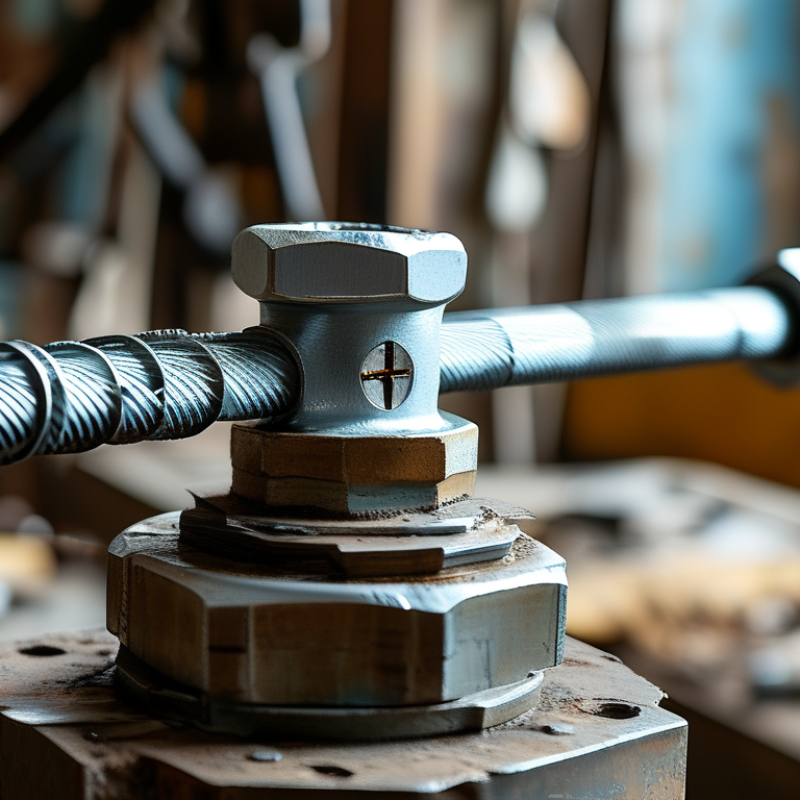
How to Fix a Cross Threaded Jack Nut on a Leveling Jack?

Understanding Cross-Threading in Jack Nuts

Understanding cross-threading in jack nuts is crucial for anyone working with leveling jacks. This common issue occurs when threads do not align properly during assembly, leading to stripped or damaged components. According to industry data, a significant percentage of mechanical failures stem from improper threading. This highlights the need for proper technique and awareness during installation.

When faced with a cross-threaded jack nut, immediate action is necessary. Assess the extent of the damage. In some cases, the nut can be salvaged with careful re-threading. Industry experts suggest using a thread chaser to repair minor damage. However, if the threads are extensively damaged, replacement might be the safest option. Regular inspections of leveling jacks can prevent threaded issues. A proactive approach can save time and resources.

To avoid cross-threading, ensure alignment before tightening. Using lubricants can ease the process and reduce friction. Additionally, it's wise to handle components gently, as applying excessive force can lead to misalignment. Remember, taking a moment to verify orientations can save you from headaches down the line.

Identifying Symptoms of a Cross-Threaded Jack Nut

Identifying symptoms of a cross-threaded jack nut can save you from bigger problems down the line. One common sign is difficulty when tightening the jack. If the handle feels stiffer than usual, the threads may not align properly. Additionally, you might notice unusual sounds during operation, such as grinding or scraping. These noises indicate stress on the threading and potential damage.

Inspect the jack nut closely. Look for signs of wear or misalignment. If threads appear shredded or damaged, a cross-threading issue likely exists. Another telling sign is if the jack doesn’t stay in place when lifted. This instability can lead to dangerous situations, particularly during use.

Tips: Always keep your tools clean to avoid dirt buildup. Regular inspections can prevent cross-threading before it occurs. If you suspect cross-threading, don’t force the jack. Taking your time can save you from costly repairs. Look for replacement parts that match the specifications of your equipment. Prioritize safety over speed in your DIY tasks.

How to Fix a Cross Threaded Jack Nut on a Leveling Jack? - Identifying Symptoms of a Cross-Threaded Jack Nut

Symptoms Possible Causes Recommended Actions
Difficulty in turning the jack handle Improper alignment or cross threading Inspect and re-align jack nut; adjust as necessary
Visible damage on threads Wear and tear or accidental cross threading Replace the jack nut; clean the threads before reinstalling
Shaking or instability when raised Cross-threaded connections Remove jack, assess for cross threads, and correct
Unusual noises while operating Friction caused by misalignment Lubricate or replace jack if necessary; check alignment
Jack does not raise/lower smoothly Threading issues or dirt accumulation Clean the jack mechanism and threads; inspect for damage

Tools and Materials Needed for Repairing Jack Nuts

When dealing with a cross-threaded jack nut, having the right tools and materials is crucial. You will need a few essential items. A threaded tap can help restore the threads on the jack nut. This tool fits into the existing threads and cuts new ones, allowing for smoother operation. A die set is also beneficial. It helps rethread any damaged sections. Don’t forget a torque wrench. This tool ensures you apply the correct amount of pressure during reassembly.

Additionally, protective gear is important for safety. Safety goggles can shield your eyes from debris. Gloves will protect your hands from sharp edges and rough surfaces. A sturdy workbench provides stability while you repair the jack nut. You will also need penetrating oil. This helps loosen rusted parts. Sometimes, the jack nut might require cleaning. A wire brush can effectively remove grime and dirt.

In some cases, patience is key. If the threads are severely damaged, you may need to consider replacement. This process can be frustrating, but it’s necessary for safety and functionality. Take your time to ensure each step is performed correctly. Always reflect on the repairs you make. Mistakes can happen, and learning from them is essential. A careful approach leads to better repairs and prevent future issues.

Common Tools Needed for Repairing Jack Nuts

Step-by-Step Guide to Fixing a Cross-Threaded Jack Nut

When dealing with a cross-threaded jack nut on a leveling jack, a careful approach is essential. Start by assessing the damage. If the threads are only slightly misaligned, you may be able to gently re-thread them. Use a thread tap tool that matches the size of the nut. Slowly insert it, allowing the tool to correct the threads. This can be a meticulous task. Take your time and avoid using excessive force, as this could worsen the situation.

If the damage is significant, a different method is required. Consider using a thread repair kit. These kits often include inserts that can also reinforce stripped threads. Begin by removing the jack nut entirely. Then, drill a new hole according to the kit's instructions. Insert the repair nut, ensuring it fits snugly. Always double-check alignment. Inadequate alignment during this repair can lead to future complications. The goal is to restore functionality while avoiding future issues. Make sure to inspect the jack regularly after repairs to ensure that everything is functioning smoothly.

Preventive Measures to Avoid Future Cross-Threading Issues

Cross-threading is a common issue that can lead to significant damage to leveling jacks. Avoiding such problems requires attention to detail and proper handling techniques. Research indicates that improper installation results in approximately 30% of mechanical failures in jacking systems. To prevent future threading issues, establishing a routine check before use can help identify potential risks early on.

When operating leveling jacks, always ensure proper alignment. Misalignment can cause the threads to misengage, leading to cross-threading. Using tools designed for precision can enhance accuracy during installation. The National Association of Equipment Manufacturers suggests that 40% of operators do not utilize proper torque specifications. Educating users about correct torque can drastically reduce the likelihood of cross-threading.

Additionally, consider using thread lubricants. These products can reduce friction, providing a smoother engagement. Reports show that using lubricant can decrease wear by 20%. Regular maintenance checks on both equipment and threads can prolong the life of your jacks. However, it is essential to acknowledge that even with preventive measures, human error remains a vulnerability. Adopting a diligent mindset will be key in reducing future issues.

FAQS

: What are the symptoms of a cross-threaded jack nut?

: Difficulty tightening the jack is a common sign. You might also hear grinding or scraping sounds.

Why is it important to inspect the jack nut?

Inspecting helps identify wear or misalignment. Damaged threads can lead to serious safety issues.

What tools do I need to repair a jack nut?

Key tools include a threaded tap, a die set, and a torque wrench. Protective gear is also necessary.

How do I start fixing a cross-threaded jack nut?

Assess the damage first. If it's minor, gently re-thread using a compatible thread tap tool.

What should I do if the threads are severely damaged?

Consider a thread repair kit. Follow instructions closely for drilling and inserting repair nuts.

How can I prevent cross-threading in the future?

Regular inspections and keeping tools clean are crucial. Take your time during repairs to avoid errors.

Is it okay to force the jack if it doesn’t align?

No, forcing can worsen the issue and increase repair costs. Be patient and reflect on your approach.

How do I ensure the repair aligns correctly?

Double-check alignment before finalizing the repair. Misalignment can cause complications later.

Conclusion

Fixing a cross-threaded jack nut on a leveling jack can be a straightforward process if you understand the underlying issues and have the right tools. Initially, it’s essential to grasp the concept of cross-threading, which occurs when the threads of the jack nut do not align correctly with those of the jack, leading to potential damage. Symptoms such as difficulty in turning the jack nut or visible misalignment should prompt a repair.

To effectively learn how to fix a cross-threaded jack nut on a leveling jack, you’ll need specific tools such as a thread chaser or tap set, along with compatible lubricants. Following a step-by-step guide will help you carefully realign the threads and ensure a secure fit. Additionally, taking preventive measures, like regularly checking for wear and maintaining proper alignment during adjustments, can help avoid future cross-threading issues. With the right knowledge and preparation, you can confidently tackle repairs and maintain the integrity of your leveling jack.

Aria

Aria

Aria is a dedicated marketing professional with a deep passion for innovative strategies and a keen understanding of our company's product offerings. With a wealth of experience in the industry, Aria excels at crafting engaging content that highlights the unique features and benefits of our......