ABP Scaffolding ABP Scaffolding

Why Are Forged Scaffolding Accessories Safer than Cast Iron?

Time:2026-08-01 Author:Oliver
0%

In the construction industry, safety is paramount. This raises the question, why are forged scaffolding accessories safer than cast iron alternatives? Expert John Smith, a materials engineer with over 20 years of experience, states, "Forged scaffolding components offer superior strength and durability under stress."

Forged accessories are created through high-pressure shaping processes. This results in a dense molecular structure, enhancing their load-bearing capacity. In contrast, cast iron often carries imperfections. These flaws can lead to failures during crucial moments. Such risks are unacceptable in scaffolding applications, where lives depend on reliable support.

While cast iron may seem cost-effective, its vulnerabilities highlight the need for careful consideration. Forged accessories have proven to withstand various weather conditions without cracking. This resilience translates to a safer worksite environment. However, not all forged products are created equal. Selecting reputable manufacturers is essential for maintaining high safety standards.
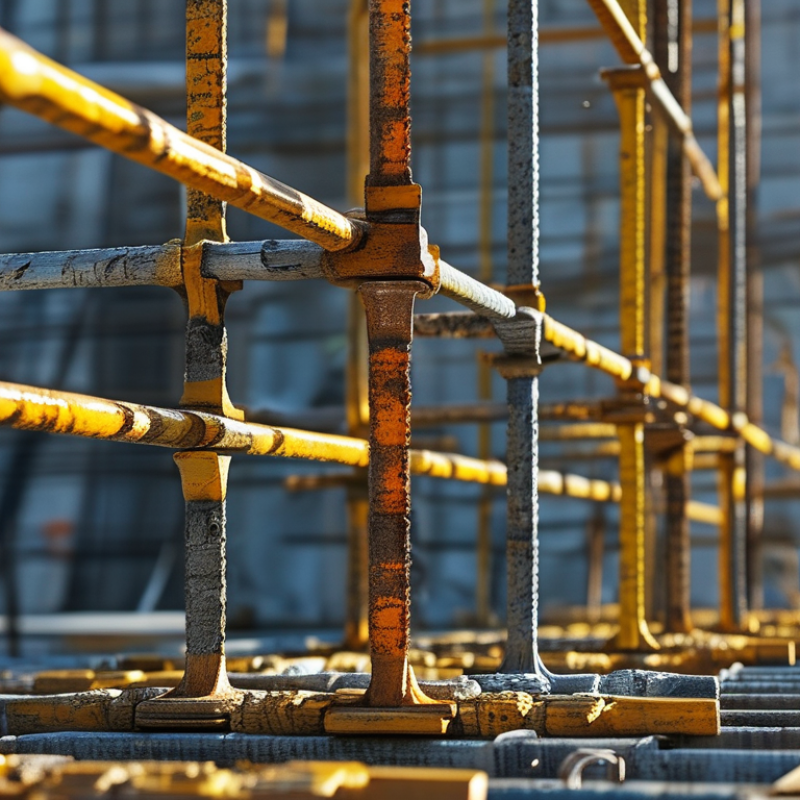
Why Are Forged Scaffolding Accessories Safer than Cast Iron?

Comparison of Forged and Cast Iron Scaffolding Accessories

When comparing forged and cast iron scaffolding accessories, safety takes precedence. Forged accessories are crafted through intense pressure. This process aligns the metal’s structure, making it denser and stronger. Conversely, cast iron accessories are made by pouring molten metal into molds. This technique can create weak points, resulting in potential failures under heavy loads.

Forged accessories typically exhibit better impact resistance. They can withstand sudden forces without cracking. In construction, where safety is paramount, this reliability is crucial. Cast iron components may chip or break under stress. The inherent brittleness of cast iron is a significant concern for engineers and safety professionals alike. Additionally, forged parts are often lighter, which aids in manual handling and reduces risks during installation.

Not all forged scaffolding accessories are identical, however. Variations exist in manufacturing quality. Understanding the production standards is vital when making selections. While forged components offer numerous advantages, potential flaws can arise in the forging process itself. Scrutinizing the source and production methods can help ensure reliable choices. Balancing cost, weight, and safety is a constant challenge in construction projects.

Comparison of Safety Factors: Forged vs Cast Iron Scaffolding Accessories

Structural Integrity: The Strength of Forged Accessories

Forged scaffolding accessories demonstrate remarkable structural integrity compared to cast iron options. Their strength comes from the forging process, which aligns the metal's grains. This results in a dense and resilient material. It can withstand higher loads and resist deformation better than cast iron. In construction, safety is paramount. Workers depend on reliable scaffolding to prevent accidents.

The manufacturing of forged accessories ensures uniformity. The controlled heating and hammering eliminate internal flaws. Each piece is stronger, providing consistent performance on the job site. However, it's essential to recognize that even forged parts aren't immune to failure. Regular inspections and maintenance are crucial. Scaffolding systems must be monitored for wear and tear.

Despite the advantages, forged scaffolding still faces challenges. Mishandling or improper installation can lead to dangerous situations. Efforts must be made to train workers adequately. The focus on safety cannot be overlooked. Awareness and adherence to guidelines help mitigate risks in scaffolding use. Safeguarding workers and ensuring structural integrity should always be a top priority.

Weight Considerations: Advantages of Forged Materials

When comparing forged scaffolding accessories to cast iron, weight considerations play a pivotal role. Forged materials are typically lighter. This weight advantage enhances mobility and ease of handling during installation. Workers can maneuver forged scaffolding more efficiently. This reduces fatigue, especially on long projects. Lighter components often lead to quicker assembly and disassembly times as well.

However, it's crucial to note that not all weight differences reflect quality or durability. Some may argue that lighter materials compromise strength. Yet, properly forged accessories maintain high strength-to-weight ratios. They often demonstrate improved load-bearing capabilities, which is essential in scaffolding. Forged components can endure significant stresses without bending or breaking.

Ultimately, in real-world applications, having lighter scaffolding does come with challenges. Workers might overlook weight during initial selections, focusing instead on durability. Balancing weight and strength remains essential for safe construction practices. Reflections on these factors enable teams to enhance safety and efficiency on site.

Resistance to Environmental Factors in Scaffolding

When it comes to scaffolding accessories, forged materials outperform cast iron, particularly in resistance to environmental factors. Forged scaffolding accessories are crafted under extreme pressure. This process strengthens the metal, enhancing durability. They can resist rust, wear, and extreme temperatures better than cast iron counterparts.

For outdoor projects, exposure to moisture poses significant risks. Rust can weaken cast iron, leading to failures. Conversely, forged accessories maintain their integrity longer in challenging conditions. They are less likely to crack under stress, making them a safer choice. However, some might argue that cast iron can be more affordable. The trade-off is often a reduced lifespan and increased maintenance needs.

In practice, teams must weigh these factors carefully. Subpar materials may lead to accidents or costly repairs. Choosing forged materials can foster a culture of safety, but it requires commitment. Scaffolding structures need regular inspections to ensure their effectiveness. Ignoring these details can undermine the inherent benefits of choosing forged over cast iron.

Cost-effectiveness and Longevity of Forged Accessories

Forged scaffolding accessories have become increasingly popular in the construction industry, particularly due to their cost-effectiveness and longevity. Compared to cast iron, forged accessories often demonstrate superior mechanical properties. According to a report from the International Journal of Construction Technology, forged materials can achieve a tensile strength that is approximately 20% higher than their cast counterparts. This durability translates into reduced replacement costs over time.

One key factor in the cost-effectiveness of forged accessories is their longevity. A study conducted by the Construction Industry Institute found that scaffolding systems made with forged components have a service life that can extend well beyond 10 years, depending on maintenance practices. In contrast, cast iron accessories may crack under stress, resulting in costly downtime. The investment in forged accessories often pays off through decreased repair costs and increased safety.

Tips: Regular inspections are crucial. Look for signs of wear or damage. Replace any compromised components immediately. Additionally, consider the environmental impact of your materials. Forged options often have a lower carbon footprint, making them a smarter choice for sustainable construction. Opting for durable materials not only enhances safety but also aligns with growing environmental standards.

Why Are Forged Scaffolding Accessories Safer than Cast Iron? - Cost-effectiveness and Longevity of Forged Accessories

Aspect Forged Accessories Cast Iron Accessories
Safety Higher tensile strength, less prone to failure Brittle, prone to cracking under stress
Weight Lighter, easier to handle Heavier, more difficult to transport
Cost-effectiveness Longer lifespan, fewer replacements needed Shorter lifespan, higher replacement frequency
Durability Resistant to impacts and weather Susceptible to rust and corrosion
Maintenance Low maintenance requirements Requires regular maintenance to prevent failure

FAQS

: What are the main differences between forged and cast iron scaffolding accessories?

: Forged accessories are denser and stronger due to intense pressure. Cast iron can create weak points in its structure.

Why is safety a priority when selecting scaffolding accessories?

Safety is crucial in construction. Forged accessories resist impact better and are less likely to crack under stress.

How do environmental factors affect scaffolding materials?

Forged materials resist rust, wear, and extreme temperatures better than cast iron, ensuring longer integrity in harsh conditions.

Can cast iron be more cost-effective than forged materials?

It can be cheaper, but lower durability leads to higher maintenance and potential safety risks over time.

What should teams consider when choosing scaffolding accessories?

Teams must weigh costs, safety, and maintenance needs. Poor choices can result in accidents and costly repairs.

Are all forged scaffolding accessories equally reliable?

No, quality varies. Understanding production standards is key. Some forging processes may still present flaws.

How often should scaffolding structures be inspected?

Regular inspections are vital to ensure safety. Neglecting this can diminish the benefits of using high-quality materials.

What happens if low-quality materials are used in scaffolding?

Using subpar materials can lead to failures and accidents. Careful selection is essential for safety and reliability.

Why do some prefer forged accessories over cast iron?

Forged accessories offer better reliability and impact resistance, making them a safer option for construction projects.

What challenges may arise when balancing cost and safety?

Finding the right balance can be tough. Prioritizing safety may mean higher upfront costs, but it pays off in reliability.

Conclusion

The question of "why are forged scaffolding accessories safer than cast iron alternatives" can be addressed through several key comparisons. Forged scaffolding accessories exhibit enhanced structural integrity due to the manufacturing process, which aligns the grain structure of the material, resulting in higher strength and durability compared to cast iron. This increased strength translates to better load-bearing capabilities, reducing the risk of failures on construction sites.

Moreover, forged materials are generally lighter than cast iron, facilitating easier handling and installation, which minimizes the chances of accidents. They also offer superior resistance to environmental factors, such as corrosion and extreme temperatures, contributing to their longevity. From a cost perspective, while forged accessories may have a higher initial price, their durability and reduced maintenance needs make them a more cost-effective choice in the long run, thereby reinforcing their safety benefits in scaffolding applications.

Oliver

Oliver

Oliver is a seasoned marketing professional with a wealth of expertise in driving brand awareness and engagement. With a deep understanding of our company's product offerings, he consistently delivers high-quality content that enriches our professional blog. His insights not only shed light on......