ABP Scaffolding
In the scaffolding industry, understanding the differences between equipment from different countries is crucial. This is particularly true for scaffolding clips. Experts emphasize the need to recognize the variations in design and functionality. John Smith, a renowned scaffolding specialist, notes, “Knowing how to distinguish between German and American style rigid scaffolding clips is essential for safety and compliance.”
The differences often lie in dimensions, load capacity, and material. German clips tend to have stricter manufacturing standards, focusing heavily on durability. Conversely, American clips might prioritize versatility. These details are vital when choosing scaffolding for specific projects. Misidentifying clips can lead to dangerous failures. Proper identification helps ensure safety and efficiency on the job site.
As the industry evolves, so does the need for clarity. It's easy to overlook these distinctions, yet they impact structural integrity. Keeping informed is key. Mistakes can be costly, not just in finances but also in safety. Understanding how to distinguish between German and American style rigid scaffolding clips is not merely a technical detail; it's a matter of responsibility.
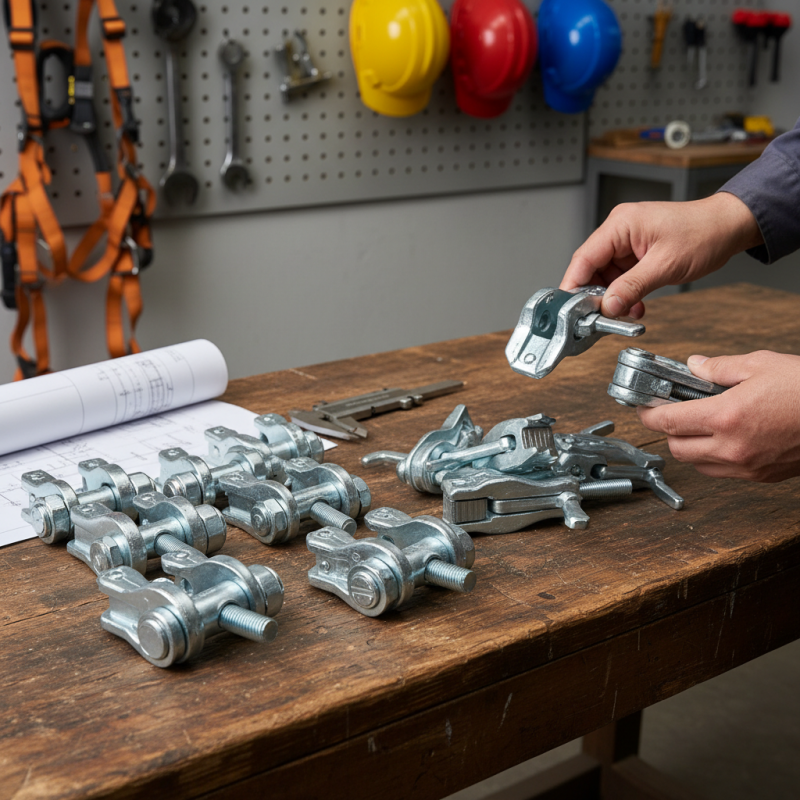
When working with scaffolding, understanding the differences between German and American clips is vital. These clips are essential components in ensuring safety and stability. German scaffolding clips often emphasize precision and durability. They are usually designed for heavy-duty applications and are made from high-quality materials. This focus on robustness can lead to better performance in demanding environments.
On the other hand, American scaffolding clips may prioritize ease of use and flexibility. They are often lighter and easier to install. However, their lightweight nature can sometimes compromise strength. It’s essential to consider these distinctions when selecting the right clips for specific projects. Users must reflect on the specific needs of their worksite.
Not all scaffolding clips perform equally. Inexperience can lead to oversight in clip selection. Understanding the specifications and intended use is critical. Professionals should educate themselves on the nuances. In doing so, they create a safer work environment for everyone involved. Balancing convenience with safety is a challenge that requires careful thought.
| Feature | German Scaffolding Clips | American Scaffolding Clips |
|---|---|---|
| Material | Steel, typically galvanized | Steel, painted or galvanized |
| Compliance Standards | EN 74-1 | ANSI/ASSE A10.8 |
| Design | Clipped or pinned, with locking mechanisms | Snap-on, often with a simpler design |
| Weight Capacity | Higher weight tolerance due to robust design | Standard weight capacities |
| Usage | Common in Europe, especially for heavy-duty applications | Widely used in North America for various construction projects |
The historical development of scaffolding clip standards in Germany and America reveals distinct practices. In Germany, the standards emerged from stringent safety regulations post-World War II. The focus was on durability and stability, leading to a robust design. German clips often undergo rigorous testing. This ensures high performance and safety on construction sites.
Conversely, American scaffolding clips evolved under different safety standards. There’s more emphasis on versatility and ease of use. This might lead to lighter designs that do not always match the durability of their German counterparts. Furthermore, American regulations often allow for a broader range of materials. This can create variability in quality.
However, the differences can lead to confusion. A lack of awareness about these standards may lead to safety risks. Construction companies need to be mindful. Understanding the specifications helps in choosing the right clips. This is vital for worker safety and project integrity. Ignoring these distinctions can result in costly mistakes and potential hazards on-site.
When comparing German and American scaffolding clips, distinct differences in design and functionality emerge. German clips often feature a robust design that prioritizes load capacity. According to industry standards, they can support heavier weights, making them suitable for large construction projects. Their material quality is typically high, often utilizing advanced steel formulations. This durability can enhance safety on site.
In contrast, American scaffolding clips are designed for versatility. Their lightweight construction allows for easier handling and speedier assembly. A recent report highlighted that American clips can reduce assembly time by up to 30%. Though they might not be as robust as German clips, they serve specific needs in residential projects and smaller works. Understanding these nuances helps construction managers choose the right clip for their project types.
However, some discrepancies still exist in safety performance. While German clips excel in durability, some users question their adaptability. American clips, while efficient, sometimes raise concerns about load limits. Hence, stakeholders should carefully evaluate the particular demands of each project. Choosing the correct scaffolding clip is essential for project success and safety compliance.
When discussing scaffolding clips, regulatory standards and safety considerations greatly differ between Germany and the U.S. Each country has unique codes governing construction safety equipment. In Germany, scaffolding clips must comply with rigorous European standards. These standards prioritize structural integrity and durability, ensuring worker safety on construction sites.
In the U.S., the regulations vary widely by state. Some areas have strict guidelines, while others lack comprehensive regulations. This inconsistency can lead to safety risks. Misunderstanding these regulations may result in the use of inappropriate clips. This can compromise the stability of the scaffolding, putting workers' lives at risk.
Education about these standards is essential for construction companies. Workers should know the specific requirements within their jurisdiction. Companies must ensure compliance to protect their teams. However, not all organizations take this seriously. A lack of awareness can lead to severe accidents. Addressing these gaps in knowledge is critical for improving safety standards across borders.
Understanding the differences between German and American scaffolding clips is crucial for enhancing construction efficiency and safety. Each type has unique designs and materials that affect their load-bearing capabilities. German scaffolding clips often utilize higher-grade steel, which is more durable. In contrast, American clips might be lighter, but this can lead to questions regarding their strength in heavy-duty projects.
Using the appropriate type of scaffolding clip can significantly impact overall project timelines. A mismatch in clip types can result in increased downtimes. Workers may face delays while adjustments are made, leading to inefficiencies that affect productivity. Proper training on each clip's specific features is also essential. Workers who are familiar with the nuances of equipment work more safely and efficiently.
Construction sites often overlook the importance of these distinctions. This can create hazards that pose risks to workers. The wrong type of clip can lead to failures during use. Regular assessments and training can help mitigate such risks. Industry professionals must continuously reflect on their equipment choices. Ensuring that teams understand the implications of their scaffolding systems can make all the difference in project outcomes.
: Germany has strict European standards, while U.S. regulations vary by state, creating inconsistencies.
Compliance ensures worker safety and helps prevent accidents due to improper equipment use.
German clips often use high-grade steel for durability, while American clips may be lighter and raise strength concerns.
Using the wrong clips can cause delays and increased downtimes, negatively impacting project timelines.
Workers should be educated on clip features and specific requirements to ensure safety and efficiency on-site.
A lack of awareness can lead to severe accidents and compromises worker safety on construction sites.
Regular assessments, proper training, and reflection on equipment choices can help reduce risks.
Misunderstanding these implications can result in unsafe practices and potential project failures.
Understanding how to distinguish between German and American style rigid scaffolding clips is essential for ensuring safety and efficiency in construction practices. The historical development of scaffolding clip standards highlights differing design philosophies, reflecting the unique regulatory environments of each country. Key differences in design and functionality can impact both the ease of use and safety of scaffolding systems.
Additionally, regulatory standards and safety considerations play a pivotal role in shaping the characteristics of scaffolding clips, influencing how they are used on job sites. These distinctions not only affect the construction process but also have implications for overall efficiency and safety. By recognizing these differences, professionals can make informed choices that enhance the effectiveness of their scaffolding solutions.
