ABP Scaffolding ABP Scaffolding

How to Prevent Cuplock Top Cup Distortion During Heavy Use?

Time:2026-08-06 Author:Sienna
0%

Proper use of scaffolding is crucial in construction. Cuplock scaffolding has gained popularity due to its efficiency and strength. However, heavy use can lead to distortion in cuplock top cups, compromising safety and stability. Understanding how to prevent distortion in cuplock top cups during heavy use is essential for maintaining structural integrity.

Ensuring proper installation is one key factor in preventing distortion. Regular inspections can identify early signs of wear or stress. Additionally, using appropriate load limits is vital. Overloading can lead to significant misalignment. Using protective materials can help reduce wear and tear on top cups. Observing these practices can prolong the life of your scaffolding components.

Yet, challenges remain. Even seasoned professionals may overlook subtle signs of distortion. It’s crucial to reflect on past experiences and learn from them. Every project presents unique variables. Therefore, adapting and revisiting safety protocols is important. Emphasizing education and ongoing training can foster a deeper understanding of equipment care. Investing time into prevention today can save complications tomorrow.
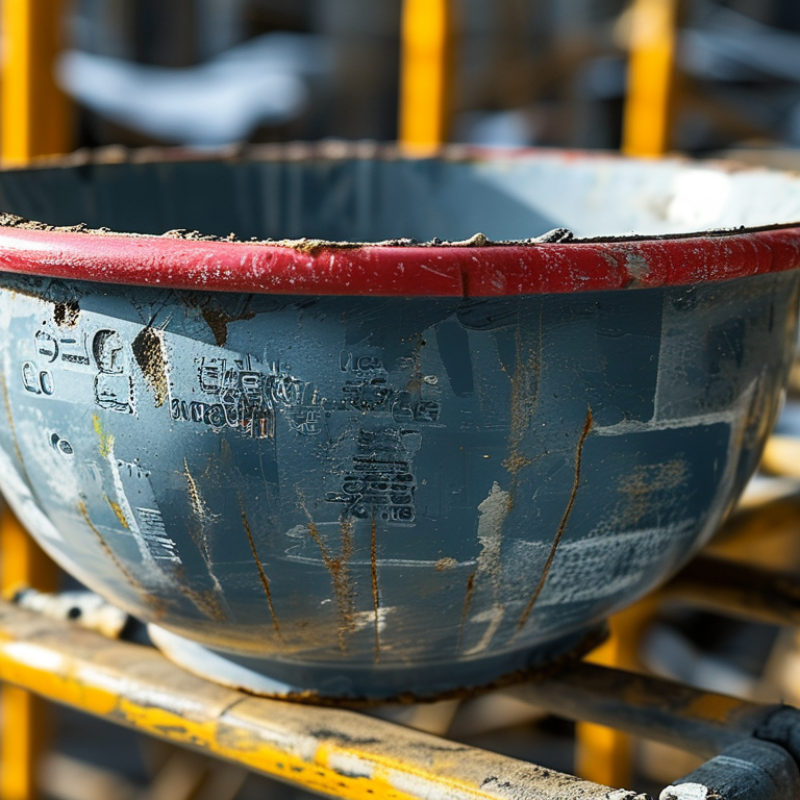
How to Prevent Cuplock Top Cup Distortion During Heavy Use?

Understanding Cuplock Top Cup Distortion

Cuplock top cup distortion is a significant concern in scaffolding applications. This issue often arises under heavy loads, leading to compromised structural integrity. According to industry reports, about 30% of scaffolding failures stem from improper load distribution. Understanding how distortion occurs can help mitigate risks.


The top cup is designed to engage securely with the standards and ledgers. However, when subjected to excessive weight or uneven loading, it can develop deformities. These distortions may not be immediately visible but can weaken the system's overall strength. Research shows that scaffolds under excessive pressure can lose up to 40% of their load-bearing capacity. Observing the alignment and condition of the top cup frequently can prevent hazardous situations.


Operators must acknowledge that even with rigorous safety measures, distortions can still happen. Regular inspections and load assessments are crucial. Training workers to recognize warning signs, like unusual wear or deformities, is equally important. This approach can create a safer environment and ensure the longevity of scaffolding systems.

Common Causes of Distortion in Heavy Use Scenarios

Avoiding distortion of cuplock top cups during heavy usage requires understanding common causes behind these issues. Frequent overloading can lead to pressure points that compromise the structural integrity of the cups. According to industry reports, over 30% of top cup failures result from excessive weight beyond rated capacity. Regular inspection and correct usage can mitigate these risks.

Improper installation is another critical factor. If cups are not aligned correctly, uneven weight distribution occurs. This can create stress concentrations, leading to deformation under load. Just 15% misalignment can cause significant structural risks, indicating the importance of thorough checks.

Tips: Always verify that load limits are not exceeded. Educate your team on proper installation techniques. Regular maintenance inspections can catch small misalignments before they become larger issues. Addressing these aspects honestly recognizes the complexities of heavy use scenarios. Each situation may reveal its nuances, warranting continuous learning and adaptation.

How to Prevent Cuplock Top Cup Distortion During Heavy Use

This chart illustrates the distortion levels experienced by Cuplock top cups under various usage scenarios. As the level of use increases, the distortion level rises, highlighting the importance of selecting appropriate usage methods to prevent damage.

Best Practices for Installation to Prevent Distortion

Cuplock scaffolding systems are widely used due to their efficiency. However, during heavy use, distortion of the top cup can occur. Proper installation practices are essential to mitigate this issue. According to industry studies, improper loading can increase the risk of distortion by up to 30%. Therefore, thorough training for all workers involved in installation is crucial.

To ensure reliability, check alignment during setup. Use compatible components and avoid overloading beyond specified limits. Regularly inspect the scaffolding for signs of wear or deformation. An analysis from the Scaffold and Access Industry Association indicates that scaffolding failures often arise from neglect in maintenance routines. Employing a proactive approach can greatly reduce risks.

Consider environmental factors as well. Extreme temperatures can affect material integrity. In colder climates, metal components may contract, making them more susceptible to distortion. Regularly review and adapt installation techniques to local conditions. It's a reminder that even reliable systems need vigilant oversight to maintain performance under stress.

Regular Maintenance and Inspection Procedures

Regular maintenance and inspection are crucial in preventing distortion of cuplock top cups, especially during heavy use. According to industry reports, over 30% of structural failures in scaffolding arise from improper maintenance practices. Inspecting equipment before each use helps identify wear and tear early. Focusing on joints and load-bearing components is essential, as these areas are more susceptible to stress.
Routine visual inspections can reveal signs of corrosion or cracks. Data shows that 20% of scaffolding accidents could be avoided with consistent checks. It's advisable to schedule thorough inspections weekly, especially in high-use scenarios. Team members should be trained to recognize the signs of distortion or damage, emphasizing the responsibility of each user.

Moreover, documentation of maintenance activities is vital. This not only creates accountability but also allows for trend analysis. Fluctuations in damage patterns can indicate larger issues, prompting necessary adjustments. Ignoring these practices can lead to costly repairs or, worse, safety incidents. Reflecting on previous maintenance protocols often reveals gaps that need addressing for better performance.

Recommended Materials and Techniques for Enhanced Durability

To prevent Cuplock top cup distortion during heavy use, choosing the right materials is crucial. High-strength steel is often recommended for its durability and resistance to deformation. The design should also be optimized to reduce stress points. Adding a protective coating can enhance the life of the components. Corrosion resistance is vital, especially in demanding environments.

Using effective techniques during assembly can further prevent issues. Tightening the components uniformly distributes the load. Over-tightening can lead to deformation, which is a common mistake. Regular inspections for wear and tear can identify potential problems early. Implementing a maintenance routine allows for timely adjustments. Continuously monitor for signs of distress, which could indicate underlying issues that need to be addressed.

Additionally, it's important to train the workforce on proper handling techniques. Understanding the limits of materials can help avoid common pitfalls. Encourage workers to report any anomalies. This feedback loop creates an environment for improvement. Challenges will arise, but focusing on the right strategies can significantly enhance the durability of Cuplock systems.

How to Prevent Cuplock Top Cup Distortion During Heavy Use? - Recommended Materials and Techniques for Enhanced Durability

Material Type Durability Rating Weight Capacity (kg) Technique for Use
High-Strength Steel A+ 1000 Proper Joint Tightening
Aluminum Alloy A 800 Even Load Distribution
Galvanized Coating A 900 Regular Maintenance Checks
Composite Materials B+ 600 Use of Spreader Beams

FAQS

: What causes distortion in cuplock top cups during heavy use?

: Overloading is a major cause. More than 30% of failures stem from excessive weight.

How can improper installation lead to distortion?

Misalignment can result in uneven weight distribution. Just 15% misalignment can pose significant risks.

What are some tips to prevent distortion?

Verify load limits and educate teams on proper installation techniques. Regular maintenance inspections are also crucial.

Why is training important for workers?

Training helps prevent improper loading. Studies show distortion risk increases by 30% due to poor practices.

How often should scaffolding be inspected?

Inspections should be regular. Catching small misalignments early can prevent larger issues later.

Can environmental factors affect cuplock systems?

Yes, extreme temperatures can impact material integrity. Cold can make metal more prone to distortion.

What happens if maintenance routines are neglected?

Neglect can lead to failures. Regular checks are essential to ensure safety and reliability.

How can I ensure the reliability of my scaffolding?

Check alignment during setup and use compatible components. Avoid exceeding specified limits.

Are there unique considerations for heavy use scenarios?

Yes, each scenario may have different challenges. Continuous learning and adaptation are key.

Is it possible to be overconfident in system performance?

Yes, even reliable systems need constant monitoring. Vigilance is crucial under stress.

Conclusion

In addressing the issue of how to prevent distortion in cuplock top cups during heavy use, it is essential to first understand the factors contributing to this distortion. Common causes include excessive load, improper installation, and inadequate maintenance, which can compromise the integrity of the cuplock system.

To mitigate these risks, best practices recommend ensuring precise installation techniques and adhering to load capacity guidelines. Regular maintenance and thorough inspections are vital to identify wear and tear early, allowing for timely interventions. Additionally, utilizing recommended materials and enhanced techniques can significantly improve the durability of cuplock top cups, thus minimizing the likelihood of distortion over time. By following these strategies, construction professionals can maintain the effectiveness and safety of their scaffolding systems even in the most demanding scenarios.

Sienna

Sienna

Sienna is a skilled marketing professional with a deep expertise in our company’s core products and services. With a passion for innovation and detail, she plays a pivotal role in crafting insightful blog posts that not only highlight the unique features of our offerings but also provide valuable......