ABP Scaffolding
In the construction industry, safety is paramount. One crucial aspect is knowing how to properly secure a pig ear coupler on heavy shoring systems. Industry expert John Parker states, “A well-secured coupler can prevent catastrophic failures.” His experience highlights the importance of this seemingly simple task.
The pig ear coupler plays a vital role in supporting structural loads. If it’s not secured correctly, the consequences can be severe. Therefore, understanding the mechanics and techniques involved is essential for safety. Proper alignment and securing methods significantly affect the stability of the entire system.
Practitioners often overlook the details, which can lead to mistakes. Regular training sessions and thorough inspections can enhance reliability. Gaining insights from seasoned professionals can deepen understanding. Reflecting on best practices can help every worker contribute to a safer construction site. This knowledge ensures that the standards of securing couplers are met consistently. Hence, it is clear that mastering how to properly secure a pig ear coupler on heavy shoring systems is a critical skill in construction safety.
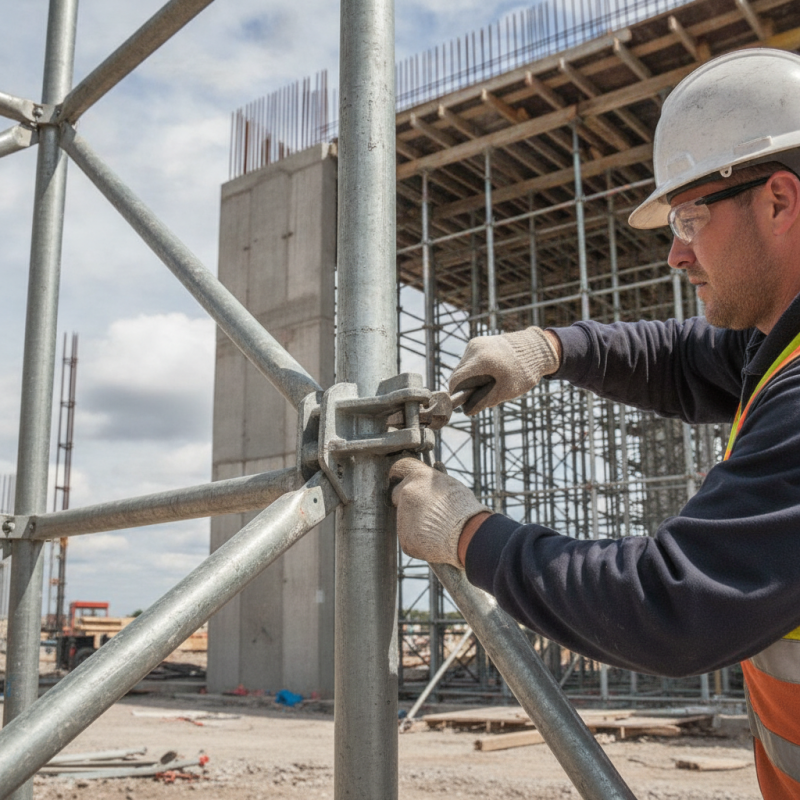
Pig ear couplers play a crucial role in heavy shoring systems. These couplers connect vertical and horizontal elements, ensuring stability and load distribution. Understanding their function is essential for safe construction. Proper installation and secure fastening are vital to prevent shifting or collapse during operations.
When securing pig ear couplers, precision is key. Misalignment can lead to failure. Use the correct tools to tighten bolts and ensure all connections are firm. Visual inspections help to identify any signs of wear or damage.
Tips: Regularly check your couplers for corrosion or cracks. Always follow the manufacturer guidelines for installation. Do not rush the process; careful attention to detail can save lives.
Securing pig ear couplers on heavy shoring systems requires proper tools and materials. The right equipment enhances safety and efficiency in construction projects. Begin with high-quality ratchet straps. These straps offer reliable tensioning, ensuring the couplers stay firmly in place. Select adjustable straps that fit various sizes and applications.
Next, consider using steel clamps for added support. These clamps provide a secure grip on the coupler, minimizing the risk of slippage. They also come in different designs, catering to specific shoring needs. Remember to inspect all tools before use. Even minor wear can lead to failure.
Don't overlook the importance of safety gear. Using gloves protects hands during installation. Eye protection is essential too. An unexpected slip can cause injury. It's easy to underestimate these precautions. Reflect on past experiences to improve future practices. Always prioritize safety in heavy-duty tasks.
| Tool/Material | Description | Usage Instructions | Safety Precautions |
|---|---|---|---|
| Pig Ear Coupler | A connector designed to secure scaffolding and shoring systems. | Ensure proper alignment before tightening. | Wear gloves to protect hands when handling. |
| Safety Pin | A pin used to secure couplers in place. | Insert pin after securing coupler to prevent loosening. | Check pins for damage before use. |
| Torque Wrench | Tool for applying a specific torque to secure fasteners. | Use appropriate settings to ensure stability without over-tightening. | Calibrate wrench regularly for accuracy. |
| Adjustable Wrench | A versatile tool for tightening bolts and nuts. | Adjust to fit the size of the fastener securely. | Ensure proper grip to avoid slipping and injury. |
| Lifting Straps | Used to provide extra support during lifting operations. | Wrap around structure and secure with couplers. | Inspect for wear before use. |
Installing pig ear couplers safely is essential for any heavy shoring system. The process starts with selecting the right coupler for your specific application. Each coupler has its own load capacity and design specifications. Verify these details to avoid potential hazards or structural failure.
Before installation, inspect all components. Look for any signs of wear or damage. This helps to prevent issues during use. When installing the pig ear couplers, ensure they are aligned correctly. Misalignment can create undue stress on the components. Tighten all fasteners according to manufacturer recommendations, but be cautious not to overtighten.
During the installation phase, having a second person to assist can make a difference. They can help hold the couplers steady while you secure them. After installation, conduct load tests to confirm the integrity. Regular inspections after installation are also crucial. Document any findings to maintain a reliable shoring system. Recognizing potential weaknesses can lead to improvements for future projects.
When using pig ear couplers in heavy shoring systems, small mistakes can lead to significant issues. One common error is improper alignment. Misalignment can stress the couplers and compromise the entire structure. Workers might rush the setup without ensuring that all parts fit correctly. This oversight can create dangerous scenarios during construction.
It’s essential to check the specifications of each coupler. Different systems may require specific types of couplers to function properly. Using the wrong one can lead to failure under load. Too often, contractors overlook this detail in favor of speed. This choice could lead to costly rework or accidents.
Tips: Always inspect couplers before use. Look for wear and defects. This simple routine can prevent future failures. Additionally, maintain clear communication among the team. Misunderstandings can result in improper installation. A few minutes of discussion can save hours of trouble. Taking these simple steps can enhance the security of your shoring systems. Each mistake serves as a reminder: diligence pays off in safety and efficiency.
Maintaining pig ear couplers is crucial for ensuring the long-term stability and safety of heavy shoring systems. Regular inspections can identify potential wear and tear. Look for signs of corrosion or cracks. Minor damage can often be fixed, while severe issues may require replacement. Proper maintenance extends the lifespan of these couplers.
Cleaning is another important aspect. Debris accumulation can lead to rust. Regularly wipe down couplers to keep them in optimal condition. It’s also vital to keep the coupling mechanisms well-lubricated. This prevents friction and promotes smooth operation. Over time, lubrication may degrade, so routine checks are necessary.
Consider the environment where the shoring systems are used. Harsh conditions may accelerate deterioration. Adjust your maintenance schedule accordingly. Remember that neglecting maintenance can lead to serious safety breaches. Be vigilant and proactive in maintaining these components to ensure reliability in high-stakes situations.
: They connect vertical and horizontal elements in heavy shoring systems, ensuring stability and load distribution.
Proper installation prevents shifting or collapse during construction, ensuring safety and structural integrity.
Carefully check alignment before tightening. Misalignment can lead to stress and potential failure.
Inspect all components for wear or damage. This helps avoid hazards during use.
Regular inspections are crucial. Frequent checks for corrosion or cracks prevent severe issues later.
Wipe down couplers regularly to remove debris. This helps prevent rust and maintains their condition.
Neglect can lead to serious safety breaches, such as component failure under load.
Yes, keeping coupling mechanisms lubricated prevents friction and ensures smooth operation.
Yes, having assistance can help steady the couplers while securing them for better alignment.
Minor damage can often be fixed, but severe issues may require immediate replacement for safety.
In the article "How to Secure Pig Ear Couplers on Heavy Shoring Systems," we delve into the critical aspects of effectively managing pig ear couplers within shoring systems. The piece outlines the fundamental understanding of these couplers, emphasizing the importance of using the proper tools and materials to ensure their secure installation. Readers are guided through a step-by-step process that highlights safety protocols, ensuring that they know how to properly secure a pig ear coupler on heavy shoring systems.
Additionally, the article identifies common mistakes to avoid, which can compromise the integrity of shoring structures. It underscores the significance of maintaining pig ear couplers for long-term stability and safety, providing valuable insights into preventive measures for enhancing structural reliability. This comprehensive approach ensures that users can confidently navigate the complexities of securing pig ear couplers within heavy shoring systems.
