 ABP Scaffolding
Heavy shoring systems carry concentrated loads, so a loose pig ear coupler can create movement where stability matters most. This introduction examines how to properly secure a pig ear coupler on heavy shoring systems, from component inspection to final load verification. The goal is practical control, not a rushed visual check.
John W. Chitty, a recognized scaffolding safety consultant, states, “A connection is only as reliable as its inspection, installation, and surrounding support.” That principle applies directly here. Workers should confirm compatible components, clean contact surfaces, correct orientation, and full engagement before loading the frame. The coupler must sit firmly against the intended member, without visible gaps, distortion, damaged threads, or forced alignment. Tightening alone is not enough.
Small details matter.
A competent person should follow the manufacturer’s instructions and the project engineer’s shoring design. The connection needs a hands-on inspection after initial loading, especially when vibration, settlement, or repeated access could affect alignment. Photographs can document the condition, but they cannot replace physical verification. This is where field practice sometimes falls short. Crews may assume a tight fitting connection is secure, yet hidden damage or mismatched parts can remain unnoticed. A better process includes measured checks, clear records, and reinspection whenever the system changes. Safe shoring depends on disciplined installation, informed judgment, and the willingness to stop when something does not look right.
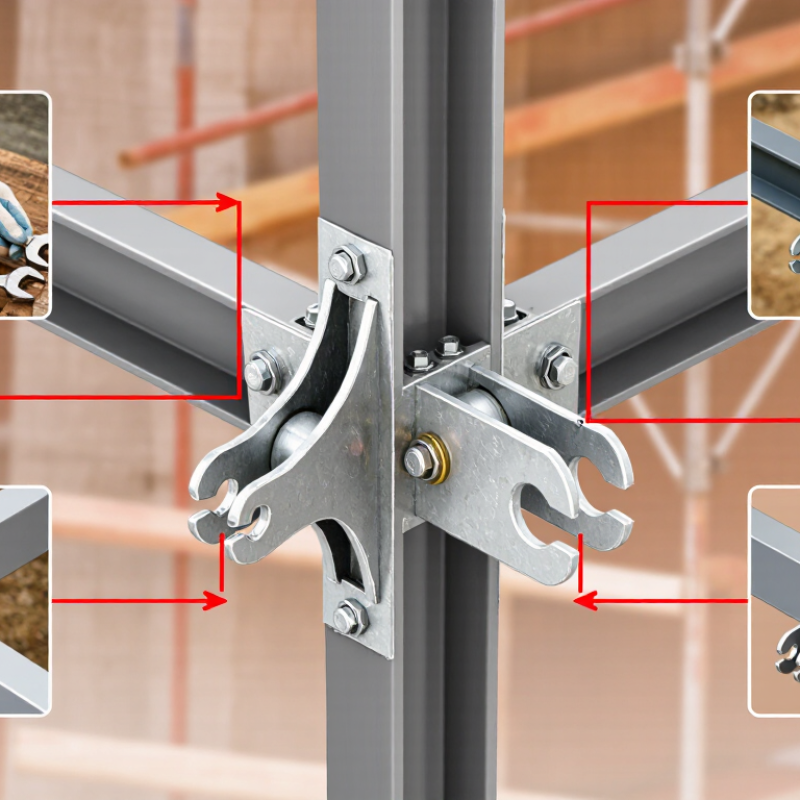
In heavy shoring systems, pig ear couplers are steel connection fittings with projecting ears, or lugs. These ears help attach walers, braces, or struts to supporting members. Their shape creates a controlled connection point. They are not decorative. Depending on the system, the coupler may transfer compression, tension, or shear forces. Always verify its function against approved drawings and load tables.
Properly securing a pig ear coupler protects the entire shoring arrangement. A loose nut, damaged thread, or misaligned ear can reduce contact between connected members. Loads may shift suddenly. Qualified crews should clean contact surfaces and check every fitting before installation. Tighten fasteners only to the specified requirement. Excessive force can damage threads or distort the fitting.
Inspection should confirm full seating, correct hardware, and stable member alignment. Look for bent ears, cracked welds, corrosion, and unusual movement. Do not mix incompatible pins, bolts, or coupler sizes. A practical lesson is simple: a coupler can look tight while remaining poorly seated. That mistake is easy to miss. Supervisors should record inspection results and recheck connections after vibration, impact, or changes in site conditions. Temporary works deserve permanent attention.
| Data Dimension | Verified Technical Description | Why It Matters in Heavy Shoring | Required Control or Check |
|---|---|---|---|
| Component type | A pig ear coupler is a mechanical connection fitting used to secure compatible shoring or scaffold members at a node. The name commonly refers to the projecting “ear” or lug that receives a pin, bolt, wedge, or related connector. | It helps transfer forces between vertical, horizontal, or diagonal members and keeps the structural grid properly aligned. | Confirm the coupler type, mating members, connector geometry, and approved system configuration before installation. |
| Primary load effects | A properly fitted connection may be required to resist combinations of compression, tension, shear, bending, and limited rotation, depending on the shoring design. | An unsecured connection can slip, rotate, or separate, changing the intended load path and increasing the risk of local or progressive instability. | Use the design drawings and the coupler system’s published load and connection requirements. Do not assume that all pig ear couplers have the same capacity. |
| Connection security | Security is normally provided by a correctly seated pin, bolt, wedge, latch, or other specified locking device. | The locking device prevents accidental disengagement caused by vibration, erection activity, impact, or small movements during loading. | Verify full engagement, correct orientation, complete seating, and the presence of all required retaining components. |
| Fit and alignment | Connecting members must match the coupler’s specified dimensions and connection arrangement. Contact surfaces should be fully seated without visible gaps, distortion, or forced misalignment. | Poor fit can create eccentric loading, reduce contact area, and introduce bending that was not included in the shoring calculation. | Check member size, node alignment, seating surfaces, and the absence of unauthorized packing, drilling, heating, or field modification. |
| Fastener or locking force | Required bolt torque, pin engagement, or wedge installation force is system-specific; there is no universal torque value for every pig ear coupler. | Under-tightening may permit movement, while over-tightening can damage threads, deform components, or reduce the reliability of the connection. | Follow the project specification and applicable manufacturer or engineered installation instructions. Record torque where the design or procedure requires it. |
| Inspection condition | Common rejection indicators include cracks, bends, elongated holes, damaged threads, excessive corrosion, missing locking parts, unauthorized welds, and permanent deformation. | Damage can reduce strength, prevent full engagement, or cause a connection to fail without obvious warning during loading. | Inspect before use, after relocation or impact, and at intervals required by the project safety plan. Remove defective components from service. |
| System stability | Pig ear couplers are connection components, not a substitute for complete bracing, ties, base support, or a professionally prepared shoring design. | A secure individual node cannot compensate for inadequate diagonal bracing, insufficient foundations, excessive unbraced height, or incorrect spacing. | Verify the complete shoring assembly against engineered drawings, including bracing, verticality, base plates, bearing surfaces, and sequence of loading. |
| Standards and design basis | The applicable requirements depend on the country, project type, coupler design, and shoring system. Scaffold-coupler standards may not automatically apply to a proprietary heavy-shoring connection. | Using the wrong standard or an unrelated capacity table can lead to an unsafe assumption about strength or allowable loading. | Use the governing local regulations, engineered calculations, approved drawings, inspection procedures, and documented product-specific technical data. |
| Safe installation sequence | Typical controls include establishing stable support, positioning members, seating the coupler, installing the locking device, checking alignment, and completing the prescribed inspection. | Correct sequencing limits accidental loading of incomplete frames and reduces the chance of leaving partially secured nodes in the work area. | Keep workers clear of suspended or unstable members and do not load the shoring until the required connections, bracing, and inspections are complete. |
Important: Connection capacity, allowable loads, installation torque, inspection intervals, and acceptable component dimensions must be taken from the project’s engineered design and the specific coupler system documentation.
It is a steel fitting with projecting ears, or lugs. The ears connect walers, braces, or struts to supporting members. Its shape creates a controlled connection point.
Depending on the system, it may transfer compression, tension, or shear. Never assume its capacity from appearance. Check approved drawings and load tables.
Clean mud, concrete residue, and rust from contact surfaces. Place the coupler squarely on the intended support member. Ensure full seating, with no visible gap. Install the specified pin or fastener.
Use the approved tightening method and specified torque value. Never guess the torque. Excessive force can damage threads or distort the fitting. Hand feel is not enough.
Look for bent ears, cracked welds, worn threads, corrosion, and missing hardware. Check pins, bolts, and connected tubes too. Small defects can hide under dust. Poor lighting makes this worse.
Inspect them before every shift. Recheck after initial loading, vibration, impact, heavy rain, or adjustments. Also inspect after site conditions change. Temporary work still needs regular attention.
Mark it and remove it from service. A competent person should evaluate the component. Do not straighten damaged couplers in the field. Replace them with approved, undamaged parts.
Yes. It may be poorly seated or misaligned. A loose nut is not the only concern. I would pause and ask another trained worker to verify it. No checklist catches everything.
Pig ear couplers are essential connection components in heavy shoring systems, helping secure horizontal and vertical members so loads can be transferred safely and consistently. Before installation, each coupler should be checked for cracks, deformation, corrosion, worn contact surfaces, and damaged locking parts. The supporting members and connection points must also be clean, properly aligned, and free from conditions that could reduce grip or stability. Understanding how to properly secure a pig ear coupler on heavy shoring systems requires following the correct installation sequence, fully engaging the coupler with the members, tightening it to the specified requirement, and confirming that the connection remains stable under expected service conditions.
Common errors include incomplete engagement, uneven tightening, poor alignment, using damaged components, and failing to verify the completed connection. These issues can cause slipping, uneven load distribution, local damage, or broader structural instability. Regular inspections, cleaning, corrosion control, and timely replacement of worn or damaged couplers are necessary for long-term safety. Maintenance records and qualified checks can further support reliable performance throughout the shoring system’s service life.
