ABP Scaffolding
ABP Scaffolding
ABP Scaffolding
In the high-stakes world of global infrastructure, diagonal braces are not merely accessories; they are the "triangulated backbone" of structural safety. As global building heights increase and safety regulations like EN74 and BS1139 become more stringent, selecting a top-tier manufacturer has shifted from a price-centric decision to a risk-mitigation strategy. This white paper examines the top exporters who are redefining scaffolding technology through forged precision and robotic welding.
Safety Compliance
Global Projects
Certified Standards
Manufacturing
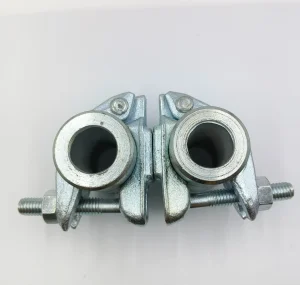
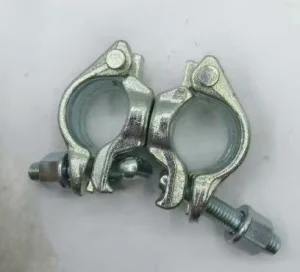
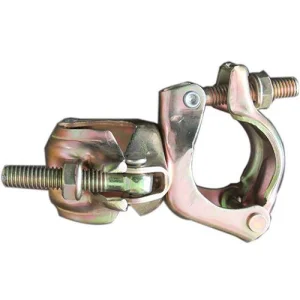
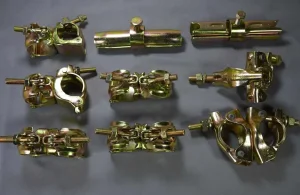
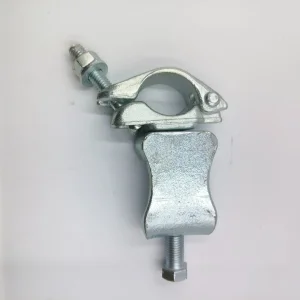
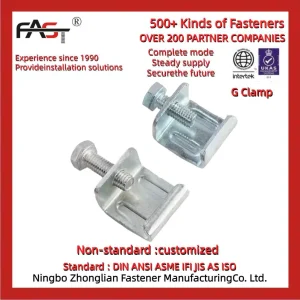
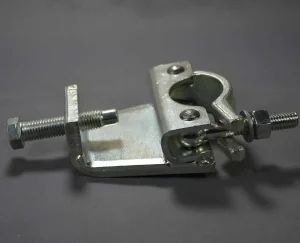
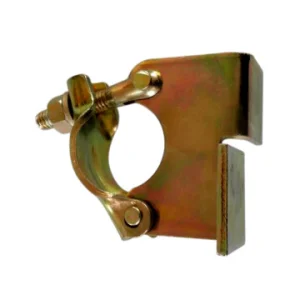
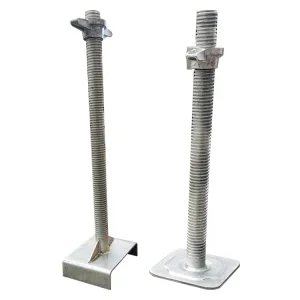
Shandong ABP Scaffolding Co., Ltd. is an export-oriented enterprise integrating production, sales, and service of scaffolding components and fasteners. We specialize in the manufacture of a wide range of forged scaffolding fasteners, providing high-performance solutions for heavy-duty industrial needs.
Our products are exported to Europe, America, Australia, and other regions, while also serving major domestic projects in the nuclear power, petrochemical, and shipbuilding industries. We adhere to the philosophy of “survive by quality, develop by innovation.”
Manufactured in strict accordance with international standards such as EN74 and BS1139. Every product undergoes rigorous quality control and SGS quality inspection.
Certification: SGS, EN74, BS1139
Focus Sectors: Nuclear, Marine, Construction
Philosophy: Quality as the Foundation
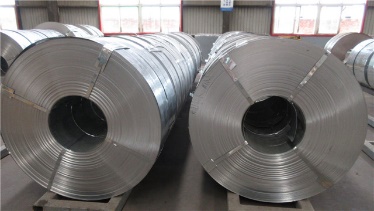
Raw Materials
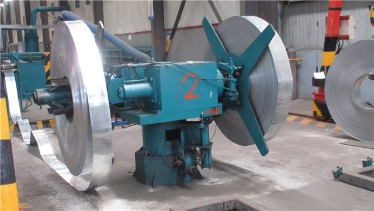
Uncoil
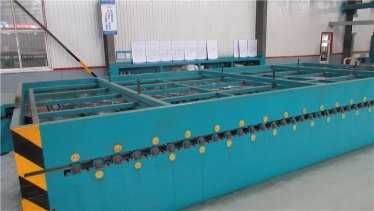
Storage Box
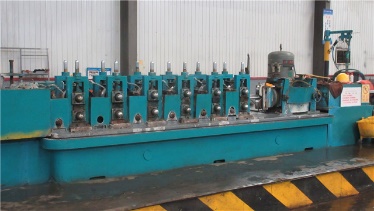
Forming
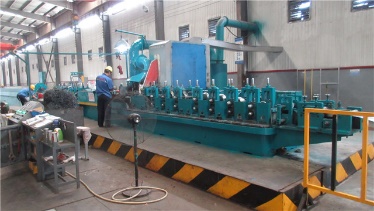
Welding
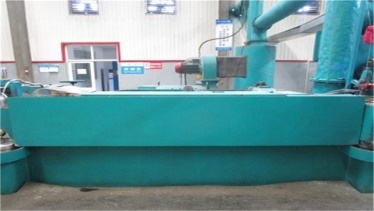
Cooling
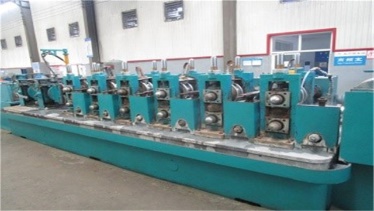
Straighten
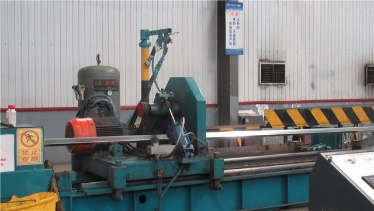
Cutting
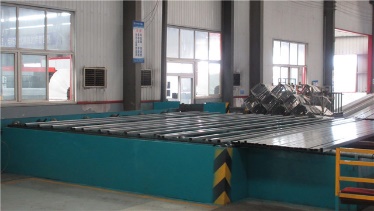
Marking
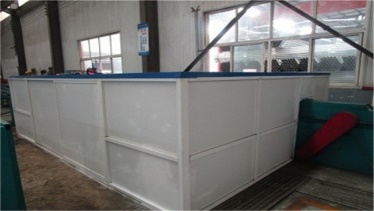
Passivation
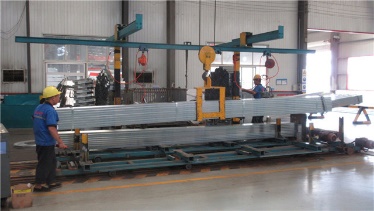
Packing
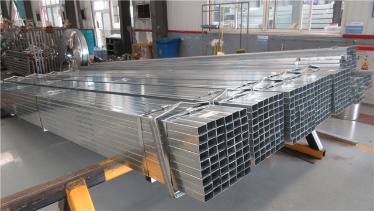
Finished Package
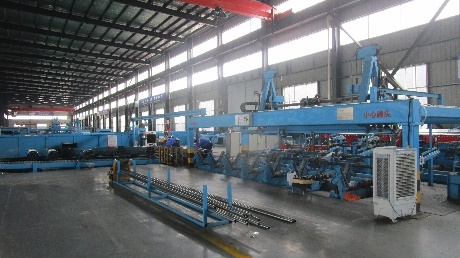
High-Frequency Welded Pipe Production Line
The transition from standard Q235 steel to high-tensile Q345 and beyond allows for thinner walls with higher load capacities, reducing logistics costs and worker fatigue.
Top exporters are integrating robotic arm welding and AI-driven quality inspection to ensure 100% uniformity in diagonal brace joints, eliminating human error in critical weld points.
Environmentally friendly passivation and powder coating are replacing traditional electro-galvanization in response to EU and North American environmental regulations.
Global procurement managers must look beyond unit price. Total Cost of Ownership (TCO) in scaffolding is defined by:
Always verify SGS test reports for load-bearing capacity. For diagonal braces, lateral tension and compression testing are mandatory for compliance with OSHA and HSE standards.
As we move toward "Industry 4.0," the scaffolding diagonal brace is evolving. Research is currently focusing on:
IoT-enabled braces that alert site managers when structural stress exceeds safety thresholds.
Exploration of carbon-fiber-reinforced polymers for ultra-lightweight high-rise applications.
Reducing assembly time by 40% through tool-less locking mechanisms.
Digital twins of scaffolding structures allowing for real-time brace optimization.
Diagonal braces provide lateral stability by forming triangles with the standards and ledgers. This "triangulation" prevents the scaffold from swaying or collapsing under wind loads or worker movement.
EN74 is the European standard for couplers, spigots, and base plates, focusing on slip resistance and ultimate strength. BS1139 is the British standard which often has specific requirements for material thickness and pipe diameters (48.3mm).
Forged couplers offer significantly higher density and structural integrity, making them more resistant to cracking under heavy loads compared to pressed steel, which is thinner and more prone to deformation.
Passivation creates a protective layer on the steel surface to prevent oxidation and corrosion, significantly extending the service life of the scaffolding components in humid or coastal environments.