CupLock System Scaffolding is easy to assemble and improves labor productivity, making it one of the most used and recognized scaffolding systems on the market today.
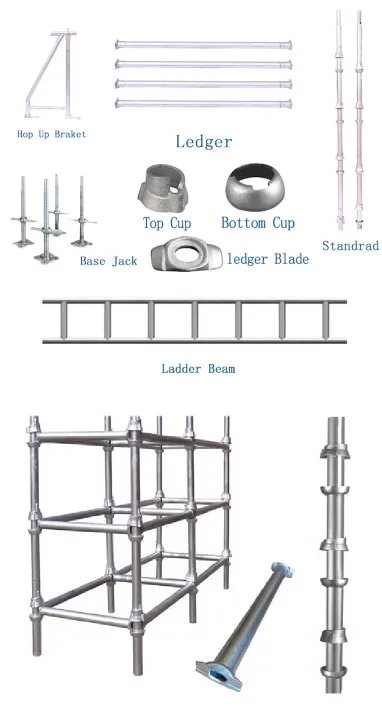
System Components: Vertical / Standard, Horizontal Runner, Face Braces, Clamp Braces, Steel Plank, Stair, Side Bracket, Toe Board, Omega Transom, Intermediate Transom, Deck Adaptor, Ladder, and Screw Jack / Base Jack.
🔧 Component Details
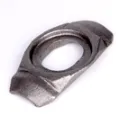
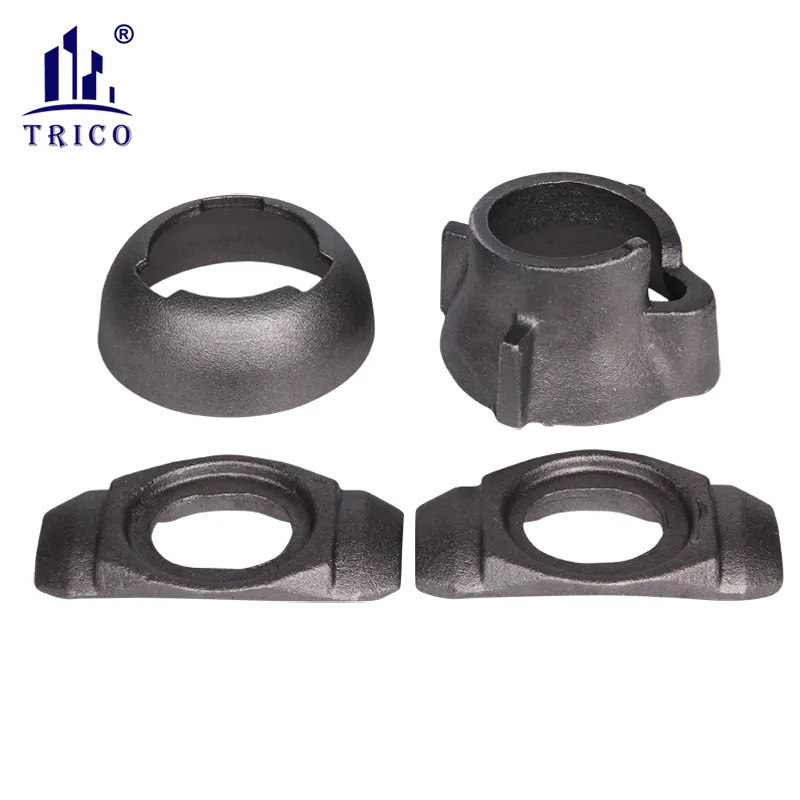
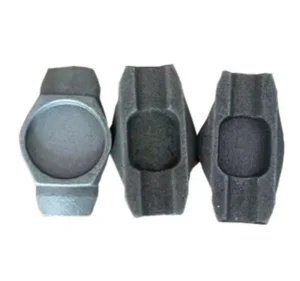
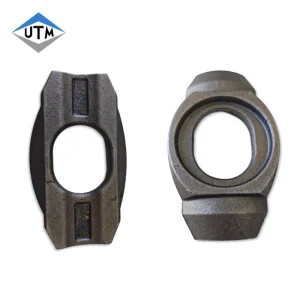
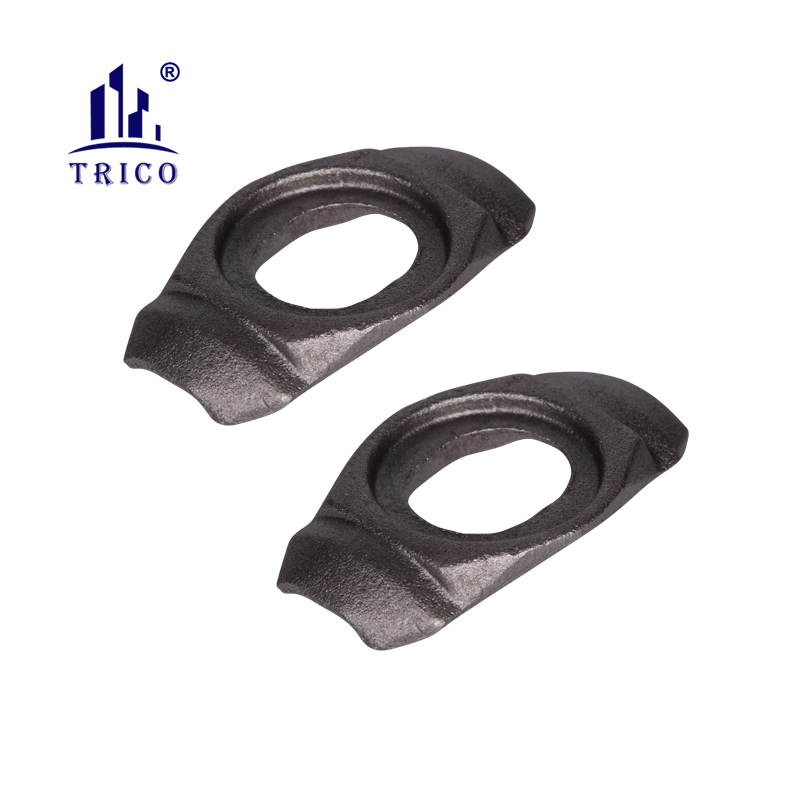
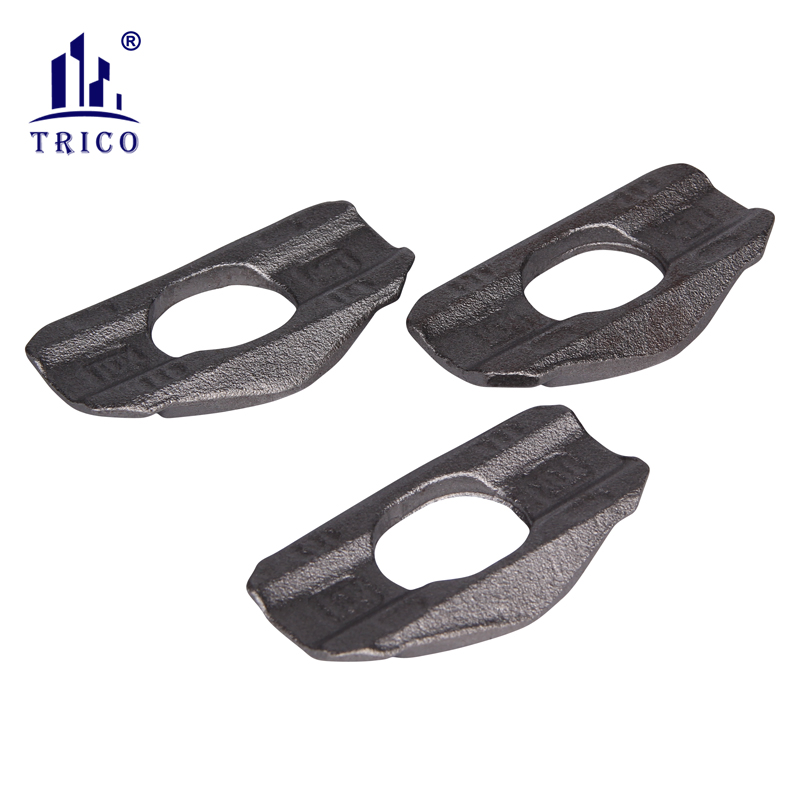
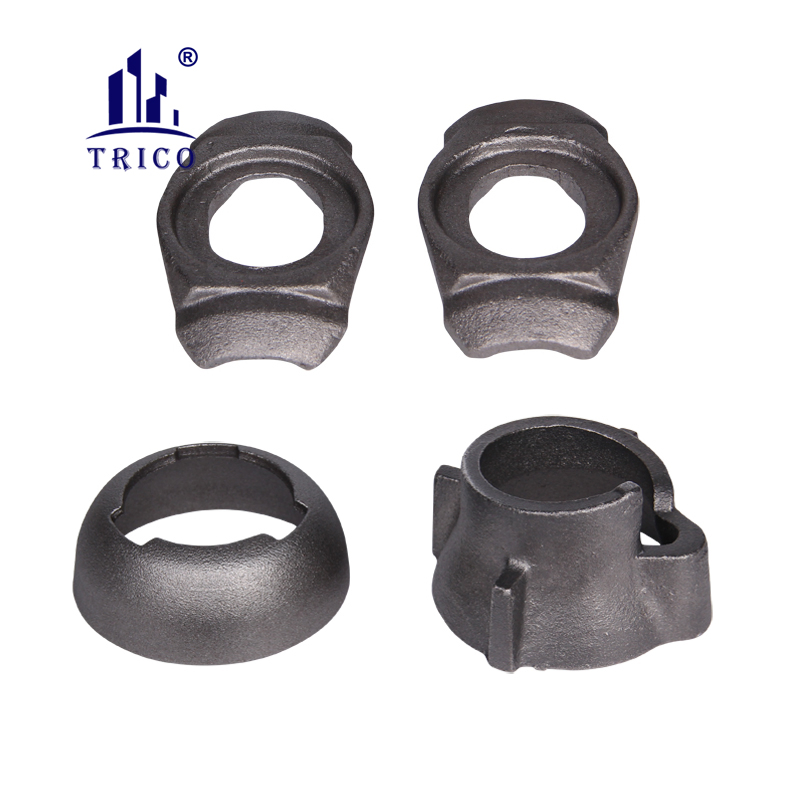
- Ledger Blade: Also known as ledger end or ledger pin, manufactured from forged Q235 steel for maximum durability.
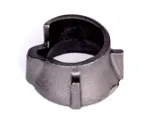
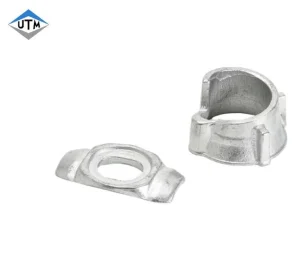
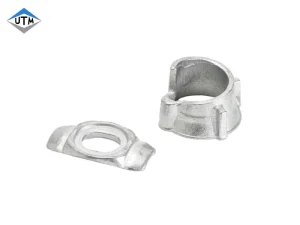
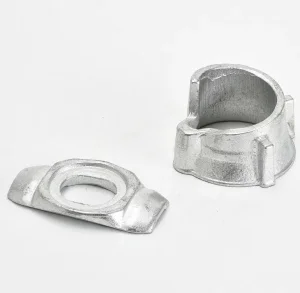
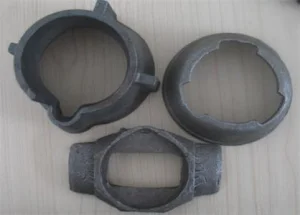
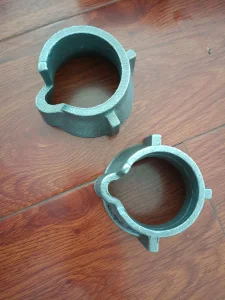
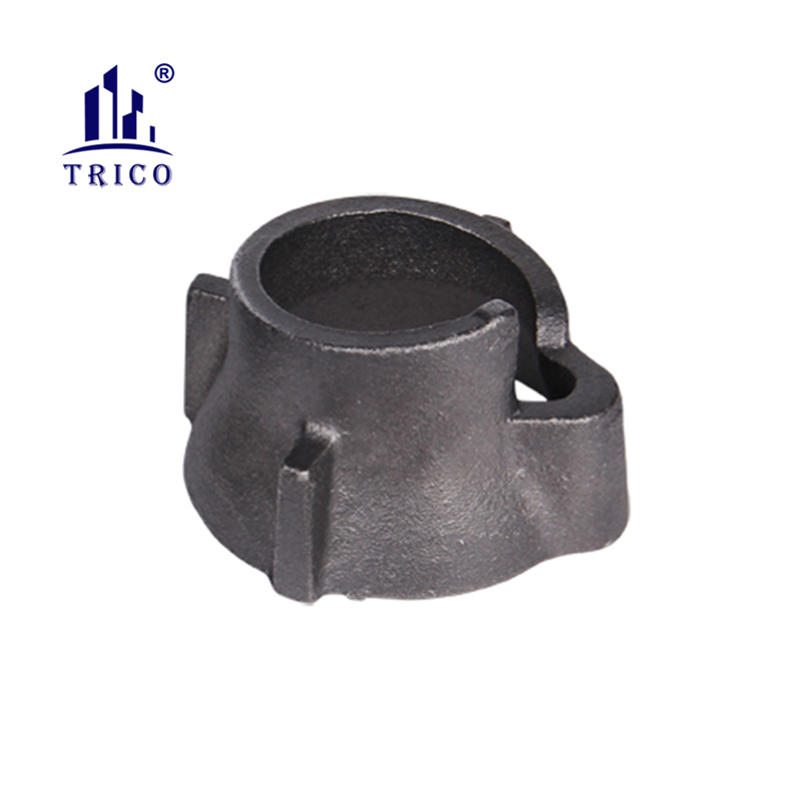
- Top Cup: Available in two processing technics: casting steel/iron and forging. Forging offers superior strength for heavy-duty applications.
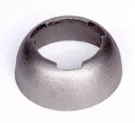
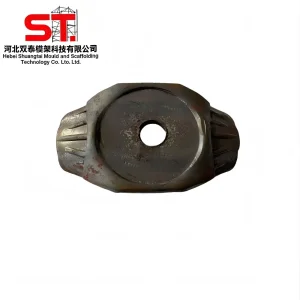
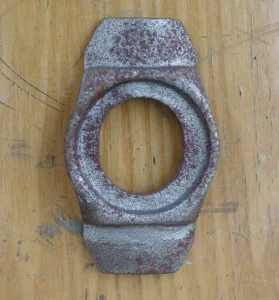
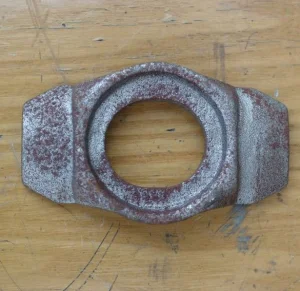
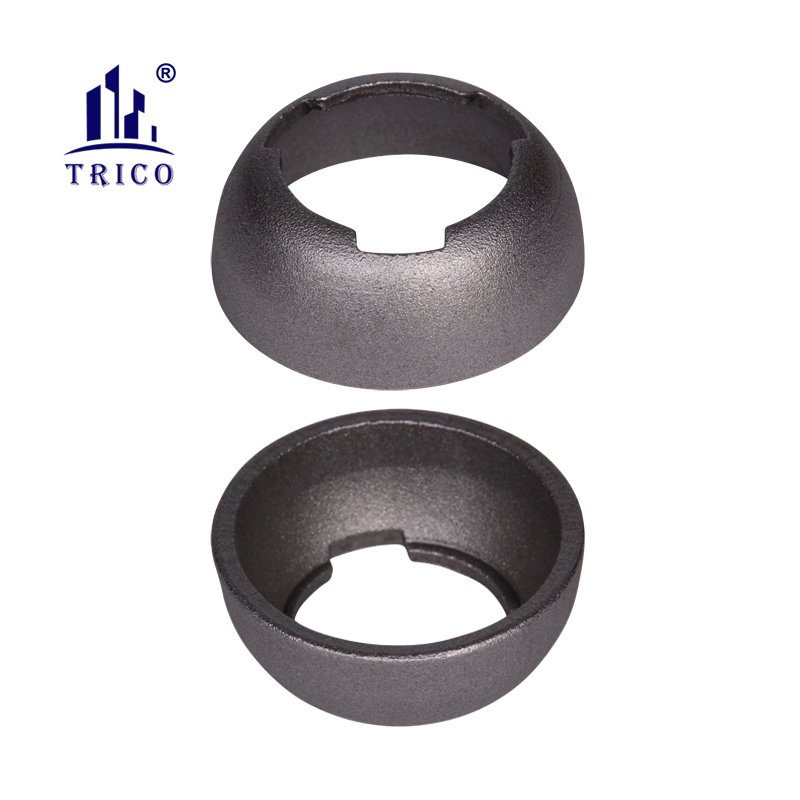
- Bottom Cup: A standard part made by precision pressing.
- Surface Treatment: Shot blasting is applied to forged parts to enhance wear-resistance and surface strength while maintaining internal tensile integrity.
❓ Frequently Asked Questions
1. What is Cuplock Scaffolding?
Cuplock is a unique multi-purpose steel scaffolding system that uses a "cup" locking mechanism to join standards and ledgers, providing a fast and secure assembly method for construction.
2. Why choose forged top cups over casting ones?
Forged top cups are significantly stronger and more durable than casting versions. They are recommended for high-load projects where safety and longevity are the highest priorities.
3. What material is used for the ledger blades?
The ledger blades are typically made from forged Q235 steel, ensuring high strength and a perfect fit within the cup mechanism.
4. What is the benefit of shot blasting on these parts?
Shot blasting cleans the surface of the forged parts, making them more wear-resistant and improving the surface finish without compromising the internal tensile strength.
5. Is the Cuplock system compatible with different building types?
Yes, the Cuplock system is highly versatile and can be used for external scaffolding, framework combined scaffolding, and full scaffolding for various building properties.
6. Are there different thicknesses available for the bottom cups?
Yes, bottom cups are commonly available in 4mm and 5mm thicknesses to meet different structural load requirements.
 ABP Scaffolding