ABP Scaffolding
ABP Scaffolding
ABP Scaffolding
Directly integrated supply chain systems ensuring strict physical parameters, precise dimensions, and anti-corrosive treatments.
Analyzing the shift towards modular cuplock scaffolding in structural engineering, heavy civil projects, and resource extraction sites.
North Korea undergoes extreme seasonal temperature variations, with freezing, dry winters (-15°C and below) and wet, high-humidity summers. Low-quality cast components easily suffer from brittle fracture under sub-zero loads. Shandong ABP’s drop-forged top cups and ledger blades utilize optimized grain alignments through high-temperature carbon tempering, preventing low-temperature structural failure.
The region's vast mineral reserves (including magnesite, zinc, iron, and coal) demand rigid shoring systems for underground tunnels and overhead distribution conveyors. The Cuplock system is highly favored in these environments due to its fast lock-and-release mechanics, providing absolute vertical stability without requiring constant torque checks on loose bolts.
Urban development projects in Pyongyang and shipping infrastructure updates in Nampho Port require rapid-erecting scaffolding that keeps labor requirements minimal. The Cuplock modular mechanism allows a single hammer strike on the top cup to secure up to four ledger blades simultaneously, increasing layout speed by up to 50% compared to traditional tube and coupler systems.
How drop-forged top cups and premium ledger blades outclass standard cast alternatives under real-world stress testing.
| Component Detail | Manufacturing Protocol | Material Grade Options | Tensile Strength (MPa) | Anti-Corrosion Finish | Compliance Standards |
|---|---|---|---|---|---|
| Cuplock Top Cup | Drop Forged / Precision Casting | Q235 Carbon Steel / Cast Iron SG20 | ≥ 410 MPa | Hot-Dip Galvanized / Electro-Galvanized | EN74-1 / BS1139 Part 2 |
| Ledger Blade (Node Connector) | Drop Forged (High Density) | Q235 Steel / Q345 Heavy-Duty Alloy | ≥ 480 MPa | Self-Color / Passivated Zinc / Hot-Dip | ANSI / SSFI SC100-5/05 |
| Cuplock Bottom Cup | Pressed Carbon Steel | Q235 Heavy Gauge Sheet Metal | ≥ 370 MPa | Welded directly onto 48.3mm OD standard | BS EN 12810 / 12811 |
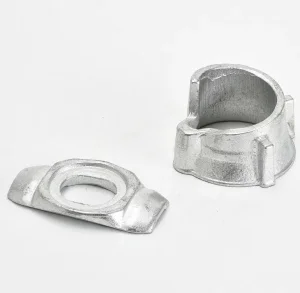
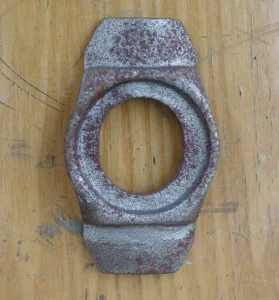
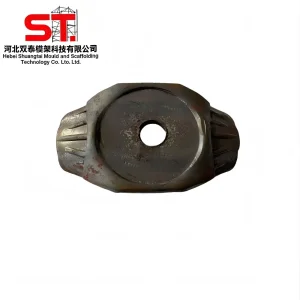
The ledger blade is the crucial element transmitting horizontal and vertical moments directly into the vertical standards. Poorly formed or chemically inconsistent ledger blades can slip or crack when subjected to heavy dynamic loads (e.g., concrete pouring or high winds). Our drop-forged ledger blades undergo meticulous thermal tempering to achieve structural uniformity. They fit flush against the standard's radius, ensuring the locking top cup applies uniform clamping pressure across all four connection points.
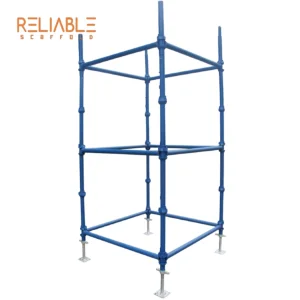
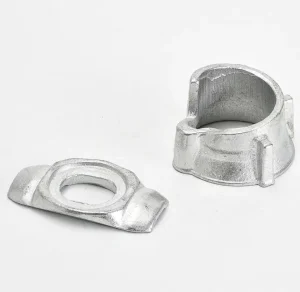
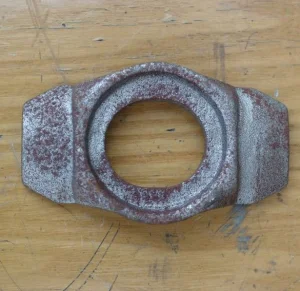
The Cuplock top cup has a unique helical shape that allows it to rotate, drop, and lock over the ledger blades welded on the horizontal tubes. A simple turn of the top cup followed by a blow with a hammer secures the node, producing a highly rigid connection. This structural rigidity allows the scaffolding to remain perfectly upright and straight, minimizing the reliance on sway braces even in tall scaffolding layouts.
Direct factory exports from Shandong Province, China — optimizing transit times, reducing purchase costs, and assuring ISO-compliant consistency.
Operating from Linyi, Shandong, our factory is located near major Northern Chinese shipping ports, including Qingdao, Tianjin, and Dalian. For the North Korea market, this offers logistics flexibility: we can arrange direct rail-freight transport through Dandong/Sinuiju border corridors, or secure maritime shipping routes from Dalian directly to Nampho Port or Rason Special Economic Zone. This significantly lowers overall logistics costs and ensures on-time deliveries compared to sourcing from Southern Chinese manufacturing hubs.
At Shandong ABP, we perform spectrographic analysis on every incoming delivery of raw Q235 steel coils. This guarantees the carbon, manganese, silicon, phosphorus, and sulfur content matches international scaffolding safety directives. We do not use scrap metal. Every single batch of top cups, bottom cups, and ledger blades is tracked back to its original steel mill heat number, providing absolute traceability.
Our products feature hot-dip galvanization (HDG) to ensure lasting corrosion protection. The zinc coating is maintained at an average thickness of over 85 microns. This protective layer acts as a barrier, preventing corrosion even in coastal ports with salty air or inside humid underground mines. For projects with tight budgets, we also supply high-quality electro-galvanized and black components coated with rust-inhibiting oils.
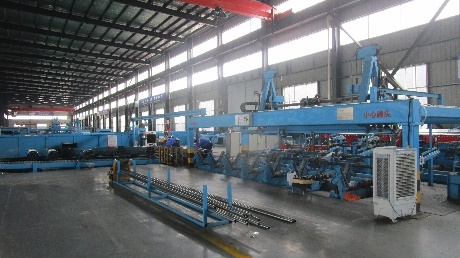
Every step in our production line utilizes precise automation and quality control to ensure flawless load transmission in the field.
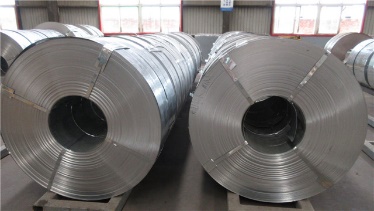
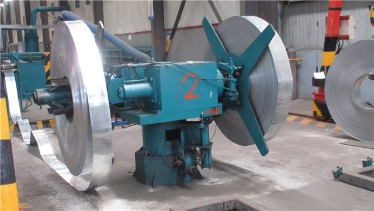
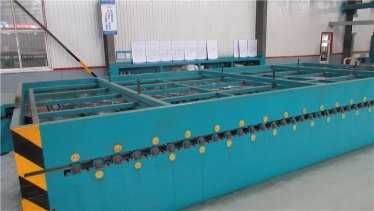
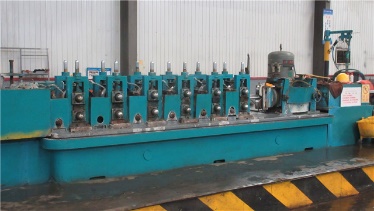
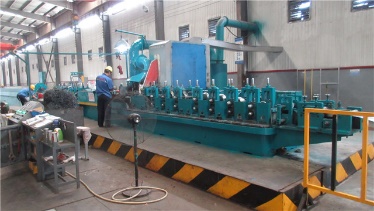
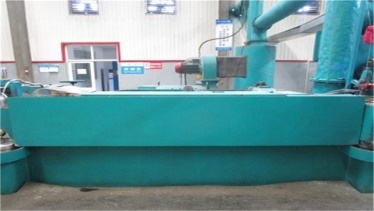
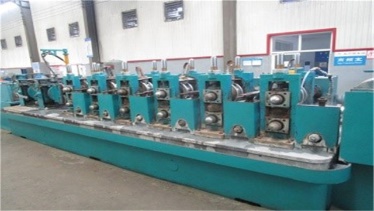
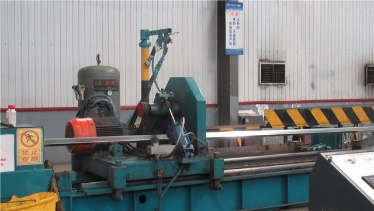
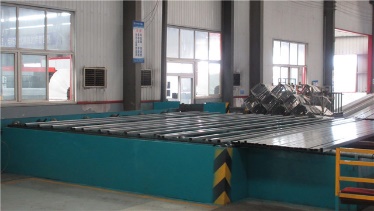
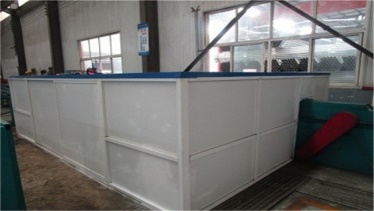
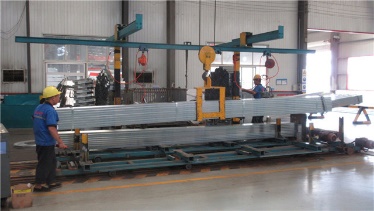
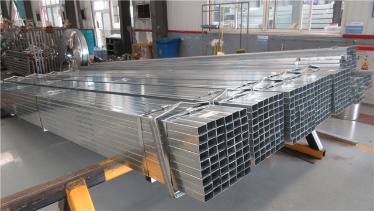
Adapting advanced modular components to meet specific construction and engineering needs.
High-speed road developments linking regional centers require shoring systems that can support massive concrete bridge decks. The high vertical load capacity of the Cuplock system, backed by drop-forged ledger blades, provides strong support for heavy slab formwork. This setup maintains stability and resists concrete-pouring vibrations, helping to prevent structural settlement.
Port expansions at Nampho and Rason call for high-rise steel frame buildings and large storage warehouses. Standard scaffolding systems struggle to handle the strong sea winds along the coast. Shandong ABP's hot-dip galvanized Cuplock top cups offer reliable corrosion protection and high wind-load resistance, making them ideal for these demanding marine environments.
Modern high-rise housing developments demand safety products that comply with strict global safety regulations. By integrating BS1139-compliant ledger blades, builders can construct high working platforms with confidence. The solid locking mechanism prevents accidentally dislodging ledgers, protecting worker safety on the job.
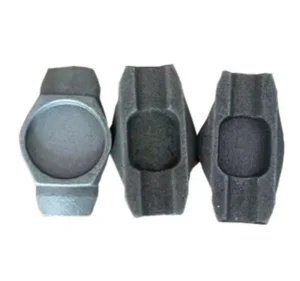
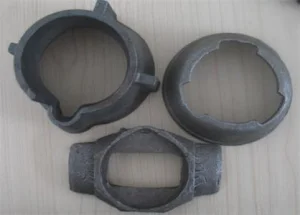
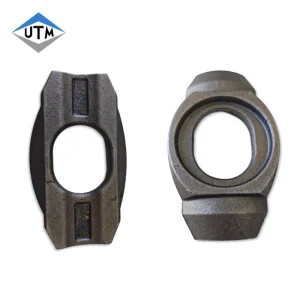
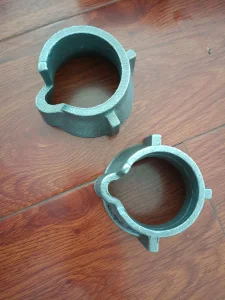
Direct links to our standard products. These options are compatible with international scaffolding tubes and structural load layouts.
Direct answers to metallurgical, logistical, and structural engineering questions about Cuplock components.